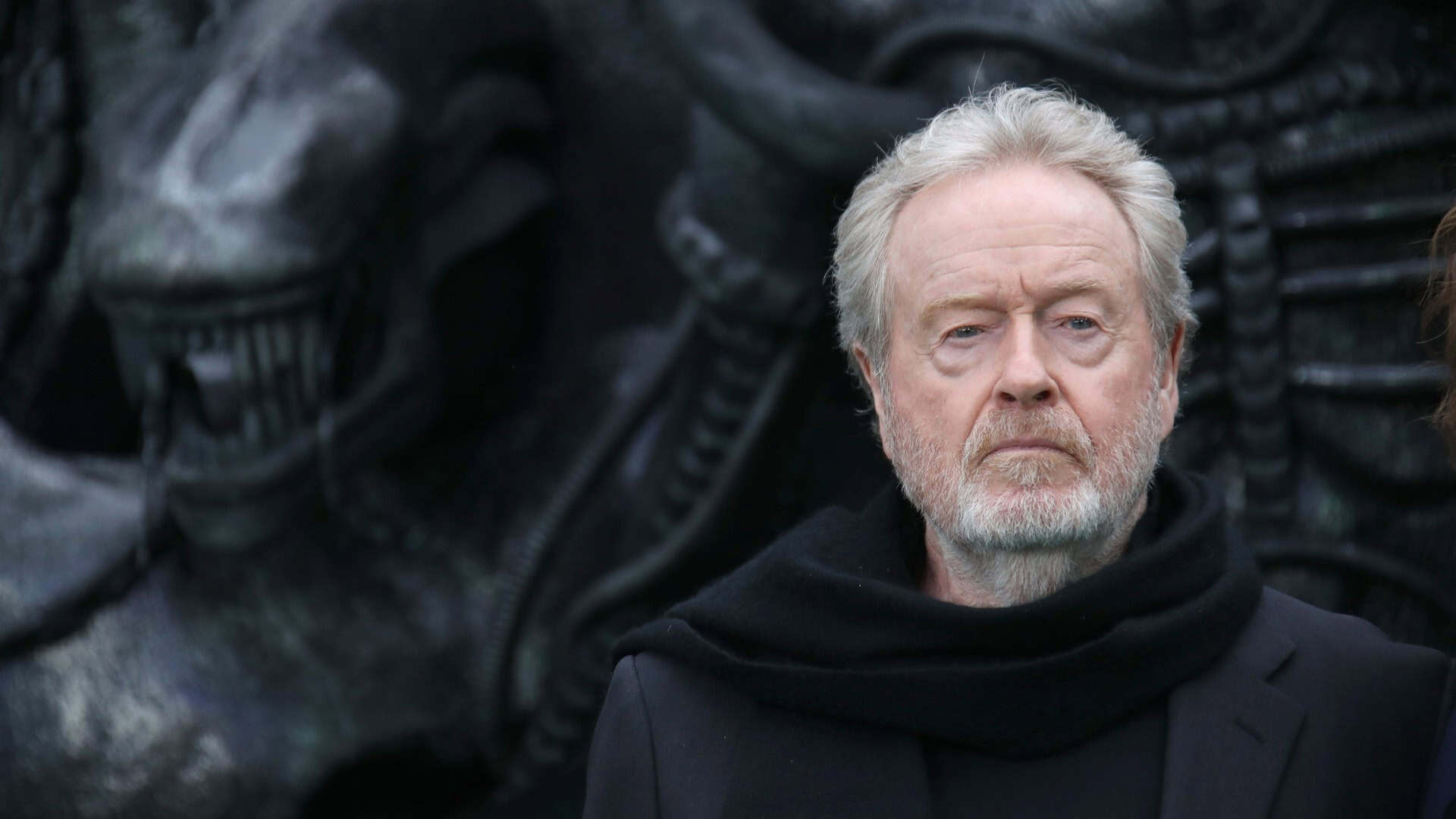
If you only look at the highlights, it’d be hard to deny that Ridley Scott is one of the great Hollywood Directors. From starting his career in the late ’70s/early ’80s with the incredible one-two punch of Alien (1979) and Blade Runner (1982), to winning Best Picture and kicking off a new major trend in blockbuster filmmaking at the turn of the century with Gladiator (2000). There’s no shortage of industry-defining masterpieces in his catalog. Unfortunately, he’s also one of the most inconsistent directors working right now, and for every outstanding achievement there’s a complete miss in his filmography.
But between the famous hits and the infamous disasters, there’s also plenty more that don’t make an impact and fall through the cracks. That’s inevitable with a filmography as large as his, but it isn’t always justified. There are plenty of gems hidden within the 30 movies he’s made in the past 50 years. In this article, I want to highlight a few of them.
The Duellists (1977)
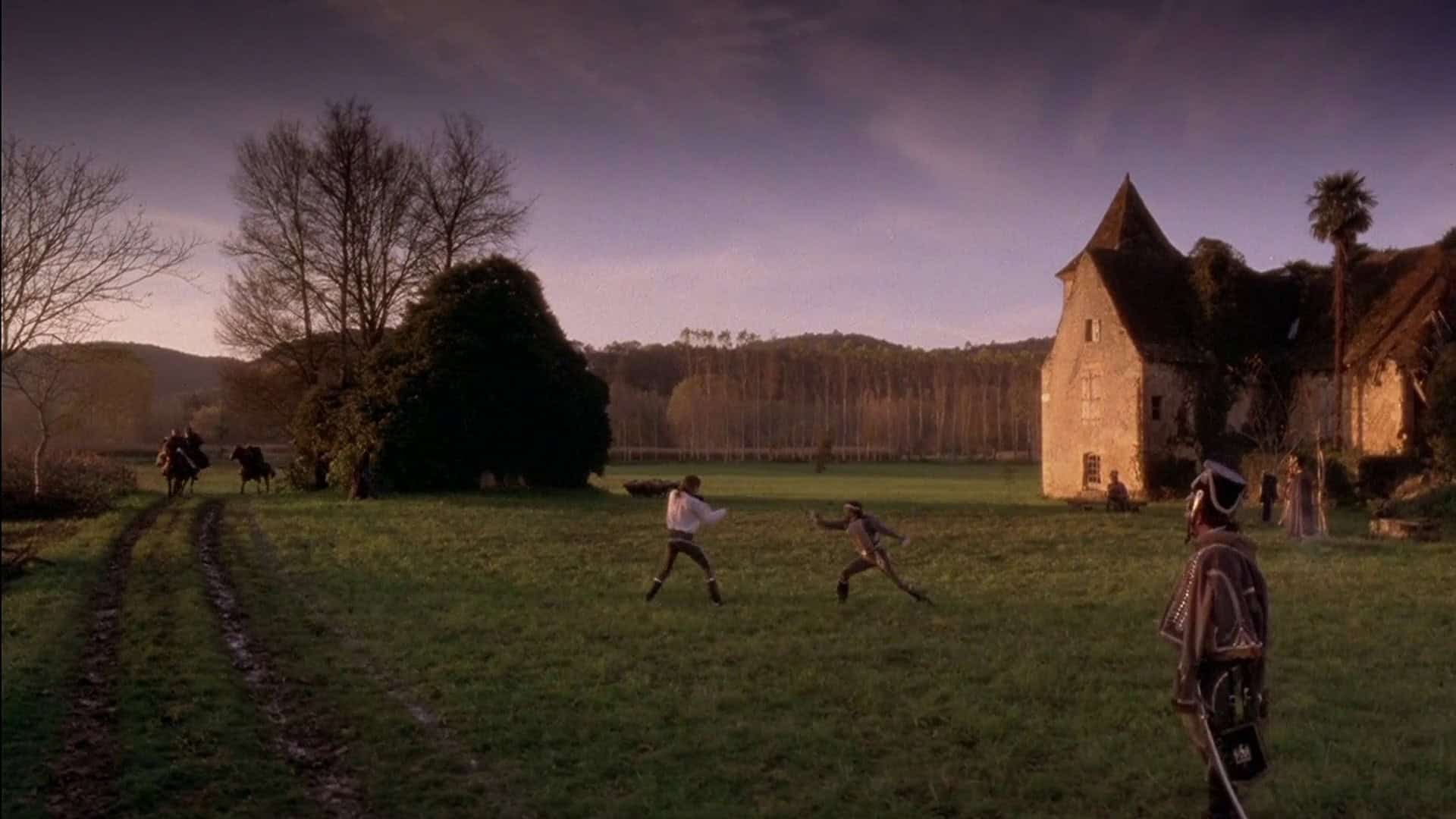
Among other things, Ridley Scott is known for his historical epics. Gladiator is the obvious example here, but there are many more: from the fantastic Director’s Cut of Kingdom of Heaven (2005) to the strongest of his modern films, The Last Duel (2021). He even attempted his own take on the legendary thief with Robin Hood (2010). And who could forget the highly questionable Exodus: Gods and Kings (2014). While not all of them worked, it’s clear he had the great historical epics in him from the very beginning. Because 46 years before he would take the French Emperor head-on with 2023’s Napoleon, there was Ridley Scott’s very first feature film. The decade-spanning The Duellists, which is set in France during the rise to power of that same Napoleon Bonaparte, but focuses on two entirely different people.
We follow Gabriel Feraud (Harvey Keitel) and Armand d’Hubert (Keith Carradine) as they rise through the ranks of the French Army and experience the changes of their home country under its new ruler. They have few things in common, but what binds them is a petty rivalry. Their feud is motivated by many things. It’s about masculinity. About honor and ambition. About loyalty, and whatever personal slights one can blame on the other person. What their grudge matches are decidedly not driven by is anything actually worth fighting for. Still they duel, and duel again every time they happen to meet. Each time with more lethal intentions than the last.
The Duellists is a hugely ambitious feature debut about two deeply unimportant people and their trivial squabble set against the backdrop of a massive conflict that would swallow France and even the whole continent of Europe. All of it is captured in beautiful images by cinematographer Frank Tidy that I imagine have to be inspired by Barry Lyndon (1975). According to Ridley Scott, the film was even meant to win the Palme d’Or at Cannes before the jury was paid off by a different contender. While I would take this story with a heavy grain of salt, The Duellists would’ve been a worthy winner as far as I’m concerned. It’s one of Ridley Scott’s very best films.
Black Rain (1989)
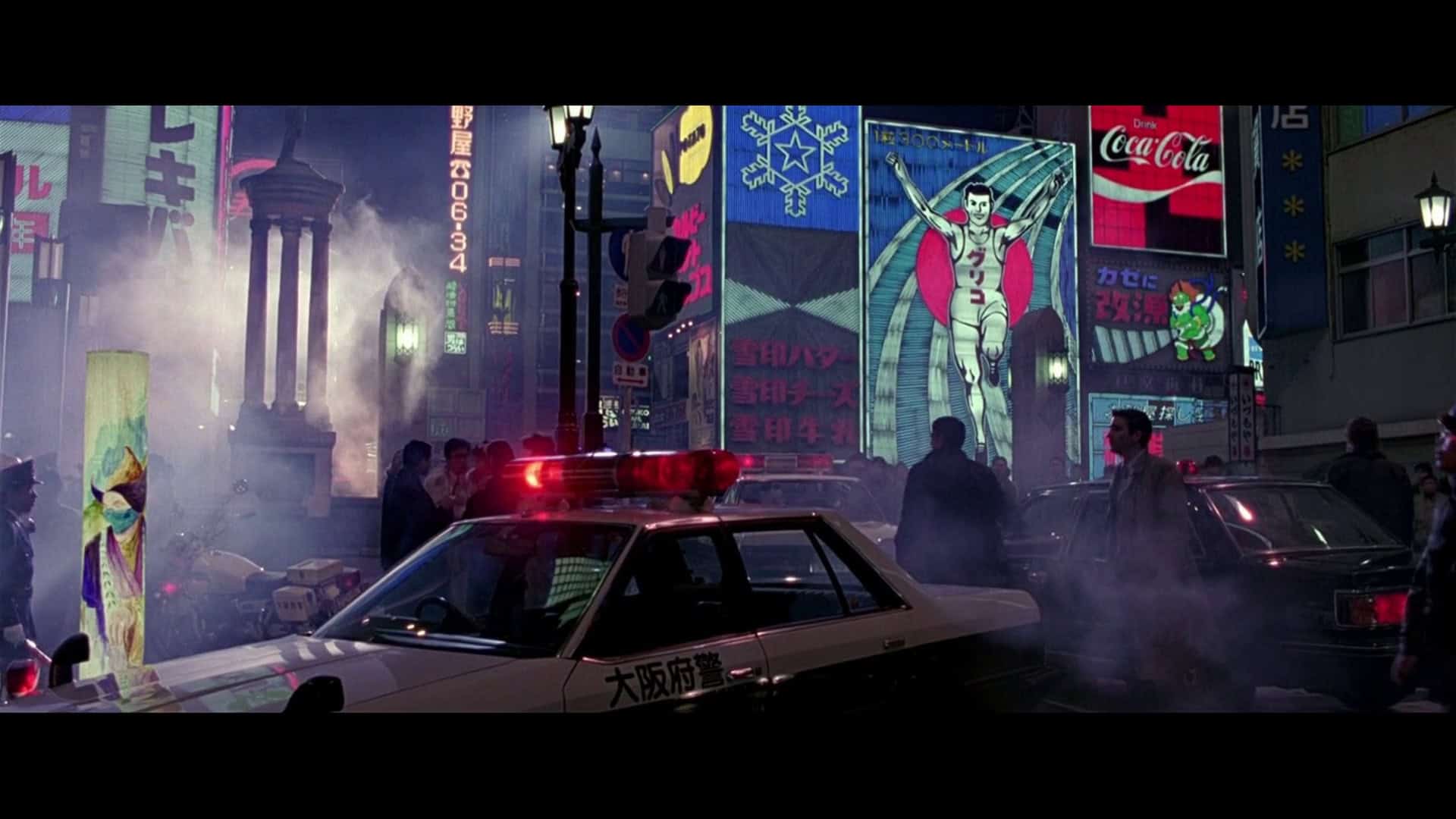
Black Rain is interesting because in many ways it feels more like a Tony Scott film than a Ridley Scott one. And perhaps it would’ve been a better movie had it been directed by his brother. But Ridley Scott nevertheless manages to showcase some of his strengths here. First and foremost, his incredible ability to craft mood and atmosphere, as well as his eye for stunning visuals. The streets of Japan are turned into a Blade Runner-esque cyberpunk landscape set in contemporary times. Every frame is filled with either rain, fog, neon lights, or some combination of them. It’s an aesthetic that on its own pretty much makes the movie.
Ridley Scott isn’t exactly known to be a director who takes great care in capturing other cultures with accuracy or even just baseline respect. From the whitewashing in Exodus: Gods and Kings to the questionable depictions of any non-white enemies to the United States in films like Black Hawk Down (2001) and Body of Lies (2008). So it’s surprising that Black Rain is free from any such complaints. This isn’t a white savior story in which Michael Douglas shows the Japanese police force how it’s done. Instead, it’s a genuine and relatively thoughtful display of a clash of cultures within a fish-out-of-water buddy cop film.
Legend (1985)
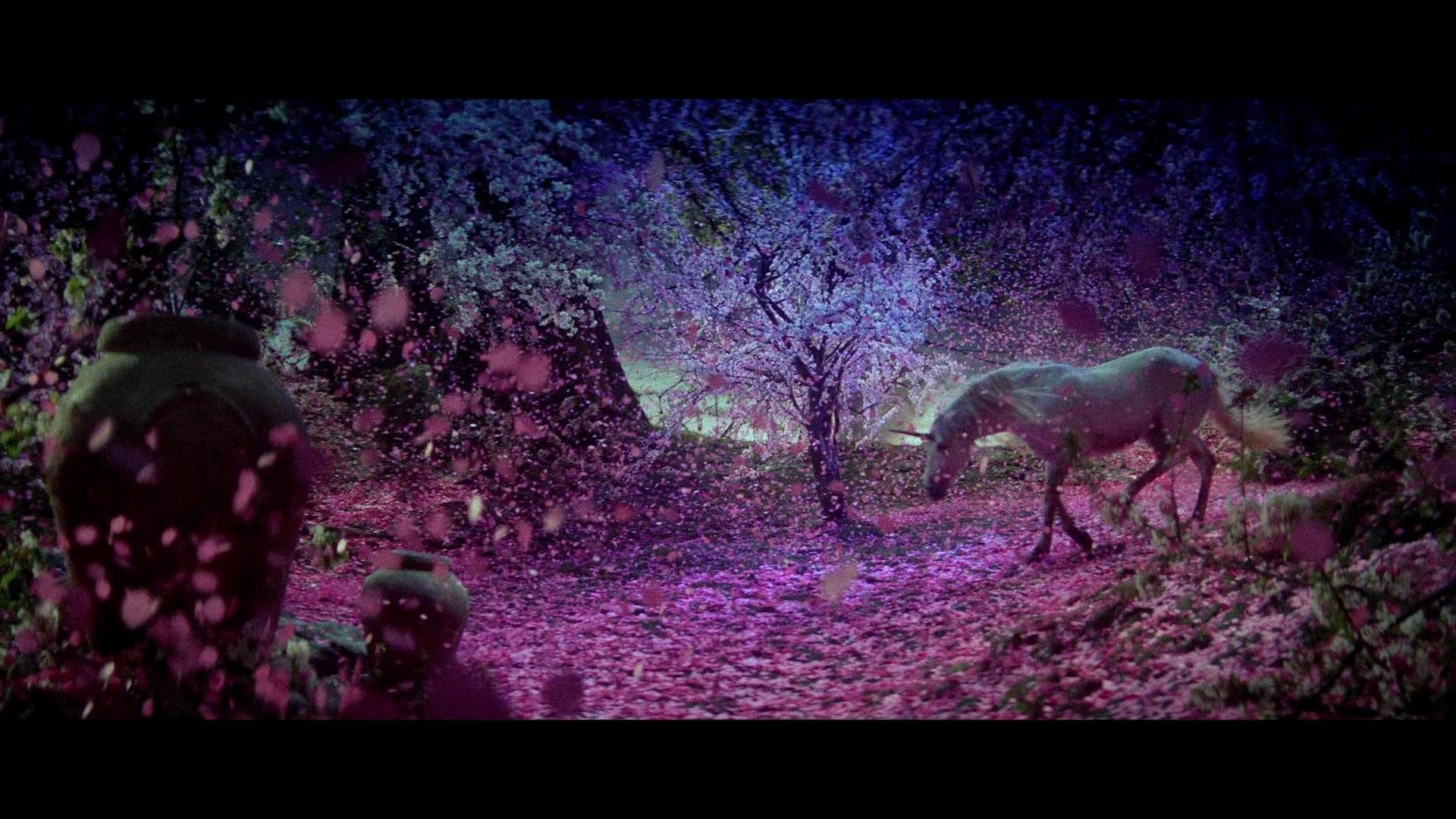
Legend is a kind of fantasy movie that we don’t seem to get anymore. It’s filled to the brim with pure wonder and whimsy. The film is deeply silly and yet never feels the need to make fun of itself or throw in any irony; it’s absolutely sincere in all its childishness. Fittingly, you’ll find a young Tom Cruise here as you’ve never seen him before. He plays the wide-eyed, innocent Jack, who’s fallen in love with Princess Lili (Mia Sara) and has to save her from evil. She’s kidnapped by the Lord of Darkness, who’s played by the late Tim Curry in a show-stealing performance. Jack has to team up with all kinds of goblins, fairies, and other fantastical creatures on his way. It’s a simple story that completely embraces its fairy tale logic with bizarre yet wondrous tasks that Jack has to complete.
The real trump card of Legend is Alex Thomson. The cinematographer of Excalibur (1981) and Labyrinth (1986) simply shoots Fantasy like nobody else. And so Legend is also up there as one of the finest examples in the genre. You won’t find any of the boring brown and grey “realistic” Middle Ages-inspired visuals that plague most of modern Fantasy. The film is boldly colorful, and every frame feels magical. It’s so clearly a world unlike our own that exists in some other mystical dimension. The practical rubber-suited creatures, as well as the stunning production design, only further help cement this as a realm of its own. There are better fantasy films, but few that are as visually striking.
Alien: Covenant (2017)
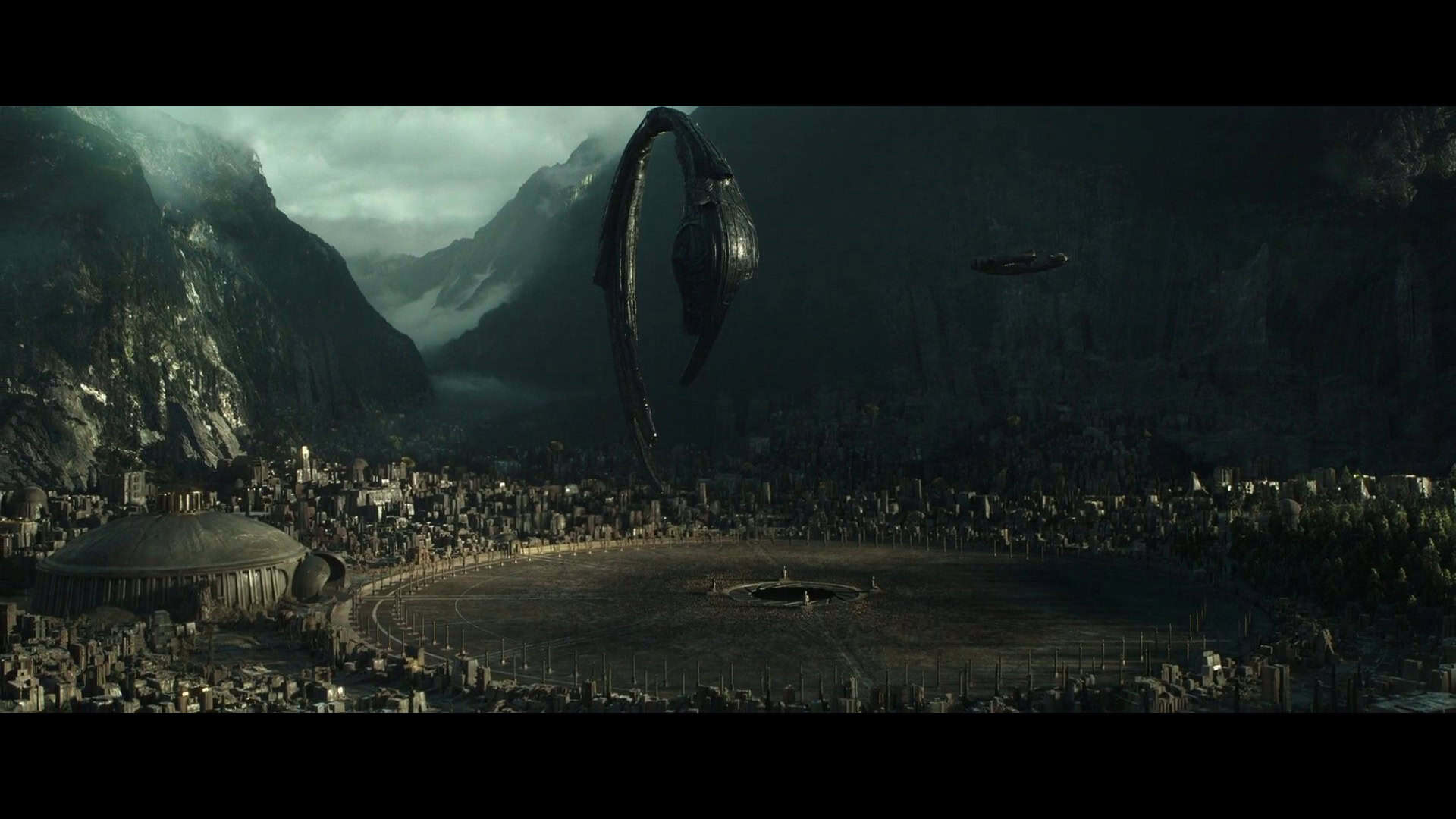
Alien: Covenant landed with some mixed reception when it first came out in 2017. Current online discussions surrounding Ridley Scott’s plans for the Alien: Romulus (2024) sequel prove that there are still plenty of critics to this day. I didn’t understand it back then, and I certainly don’t now. Alien: Covenant takes the franchise and turns it into a biblical epic, which makes Ridley Scott a natural fit for the material–beyond just him being the director of the original film, I mean. It’s a messy movie, I will admit that much, but the screenplay by Dante Harper and John Logan is filled with grand ideas and expands the mythos in meaningful ways.
There’s the understandable fear that further explaining the Xenomorph would take away from the effect it has. But Covenant takes the unstoppable and unknowing nature of the original Alien and turns it into a completely different kind of cosmic horror. Both Prometheus and Covenant explore the act of creation in all its horrific implications. In Prometheus, humanity comes face to face with its own creator and is faced with the realization that we’re nothing more than rejected failures hated by our God. In Covenant, the crew encounters Michael Fassbender’s David, who aims to create a perfect world to become a God in his own right, and in doing so becomes a villain just as scary as the Xenomorph. Here, creation becomes the ultimate act of destruction.
But for as much as thematic depth and ambitious concepts the movie throws at you, it’s also just a very capable and fun blockbuster. Covenant is perhaps the nastiest and meanest entry in the entire franchise. The shower scene towards the end — you’ll know it when you see it — showcases a real understanding of the franchise and its relation to sex and violence. Dariusz Wolski, the cinematographer behind The Crow (1994), Gore Verbinski’s Pirates of the Caribbean trilogy, and the upcoming Resident Evil film, knows how to shoot a pretty blockbuster, but he’s delivering career-best work here. I suppose the outstanding production design by Chris Seagers makes it easy. Alien: Covenant is the rare movie that merges blockbuster thrills with sophisticated ideas. I could not be happier about the rumours that we’re finally getting the David trilogy completed.
The Dog Stars (2026)
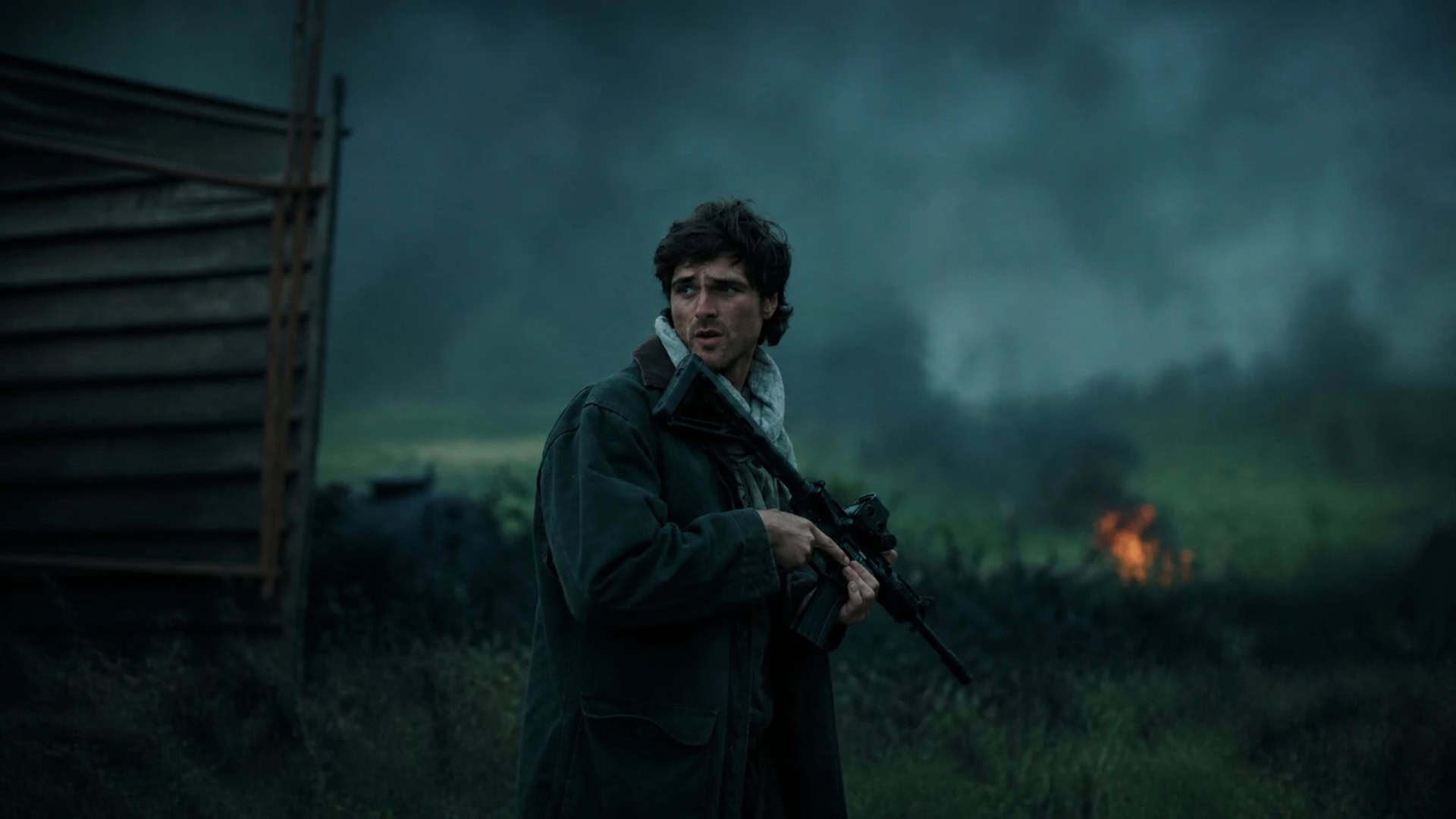
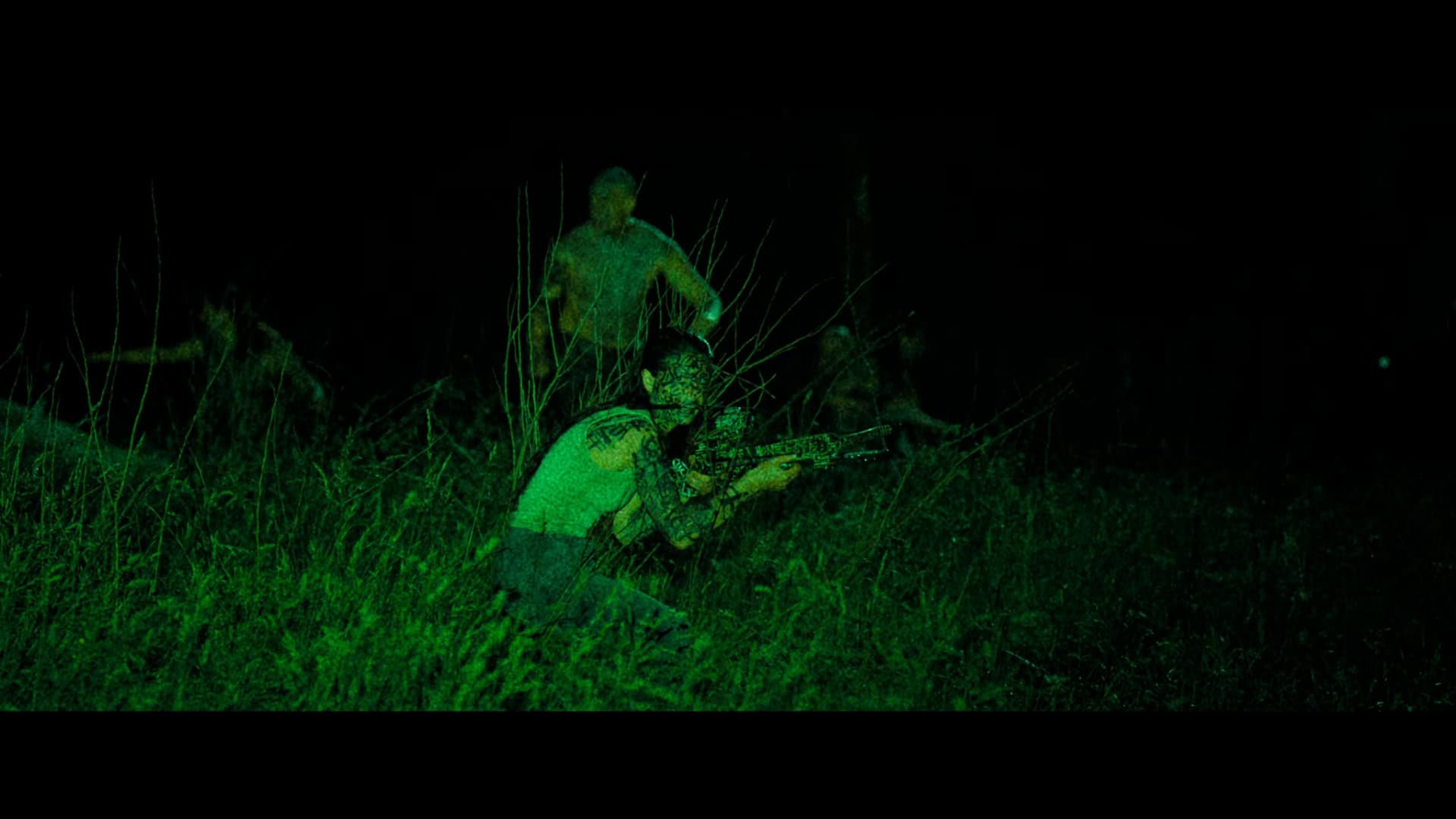
It may be a bit early to put The Dog Stars on a list like this, but I think given the very negative critical reception, a below 3/5 average on Letterboxd, and the disastrous box office, it’s fair to say this one won’t be a hit. Which is too bad because, as far as I’m concerned, this is Ridley Scott’s best movie in years. Gone is the overreliance on shoddy CGI in favor of beautiful natural landscapes and physical sets. Here he ditches the epic scale that was once his strength but hasn’t really worked in his favor recently, and instead tells a more intimate post-apocalyptic story.
The Dog Stars is not an action movie. It’s a much slower and haunted film with a beautiful and hopeful core. In many ways, I find it to be a perfect movie for our times. Because, ultimately, The Dog Stars is about a clash of generations and a fight towards a better future, even if it feels like we’ve already arrived at the end of the world. Some are perfectly happy with how things are. As Josh Brolin’s character puts it, they have food, something to drink, and guns; it’s the American Dream. He’ll gladly take the excuse of a viral infection to shoot at anyone who’s from outside his very small circle. There’s another tribe who refuses to accept this new world and instead retreats into a fabricated reality of the past. Blinded by nostalgia, they live their life according to old rules, and while they’re more welcoming to strangers, they only care for them as long as they have a unique skill set to offer to the community. But the heart of the film is Jacob Elordi’s Hig and Margaret Qualley’s Cima, who go against the teachings of their older leaders (Josh Brolin and Guy Pearce, respectively), and seek human connection. It’s the most basic necessity if you believe in moving towards a better future.
Even though I said The Dog Stars is not an action movie and more of a survivalist drama, that doesn’t stop Ridley Scott from fitting one of the more inspired action sequences of this year into it. And if you needed any more reasons to be excited about The Batman: Part 2, Erik Messerschmidt delivers some incredible work here as the cinematographer. Unlike other post-apocalyptic films that often look grey and lifeless, The Dog Stars has an invigorating green hue across its images that matches the flourishing plant life surrounding the last survivors. As I’m writing this, The Dog Stars is still in theaters. Don’t let the negative reviews stop you from seeing it. You very well may regret missing it.
Ridley Scott may not be the director he once was, but let’s also keep in mind that we’re talking about a now 88-year-old man. If he wants to pump out as many movies as he still can before it’s too late, in exchange for a little less consistency, then I say so be it. There are still plenty of hidden gems within the occasional misfire that are worth digging for.
 ObserverCrew Picks
 bserver
 bserver