Whenever Christopher Nolan is asked why he wanted his next movie to be The Odyssey, he will point out that there has been a gap in the culture; nobody had told this story on the big screen before. And surprisingly, he’s right that there has never been a major Hollywood adaptation of the epic poem (provided we aren’t counting loose re-tellings like the 2000 film O Brother, Where Art Thou?). But that doesn’t mean that nobody’s done it before.
The earliest known depiction of The Odyssey came all the way back in 1905 with Georges Méliès’ L’île de Calypso, a four-minute-long short film in which Ulysses fights the Cyclops. A couple more silent film adaptations would follow, with most of them focusing on individual parts of the story rather than the complete poem. If you want to see the full journey, then the 1997 miniseries (or a pair of made-for-tv movies depending on the version) is closer to what you’re looking for; you may have already seen parts of it in high school. But the most notable adaptation before Nolan’s has to be the Italian Ulysses (1954).
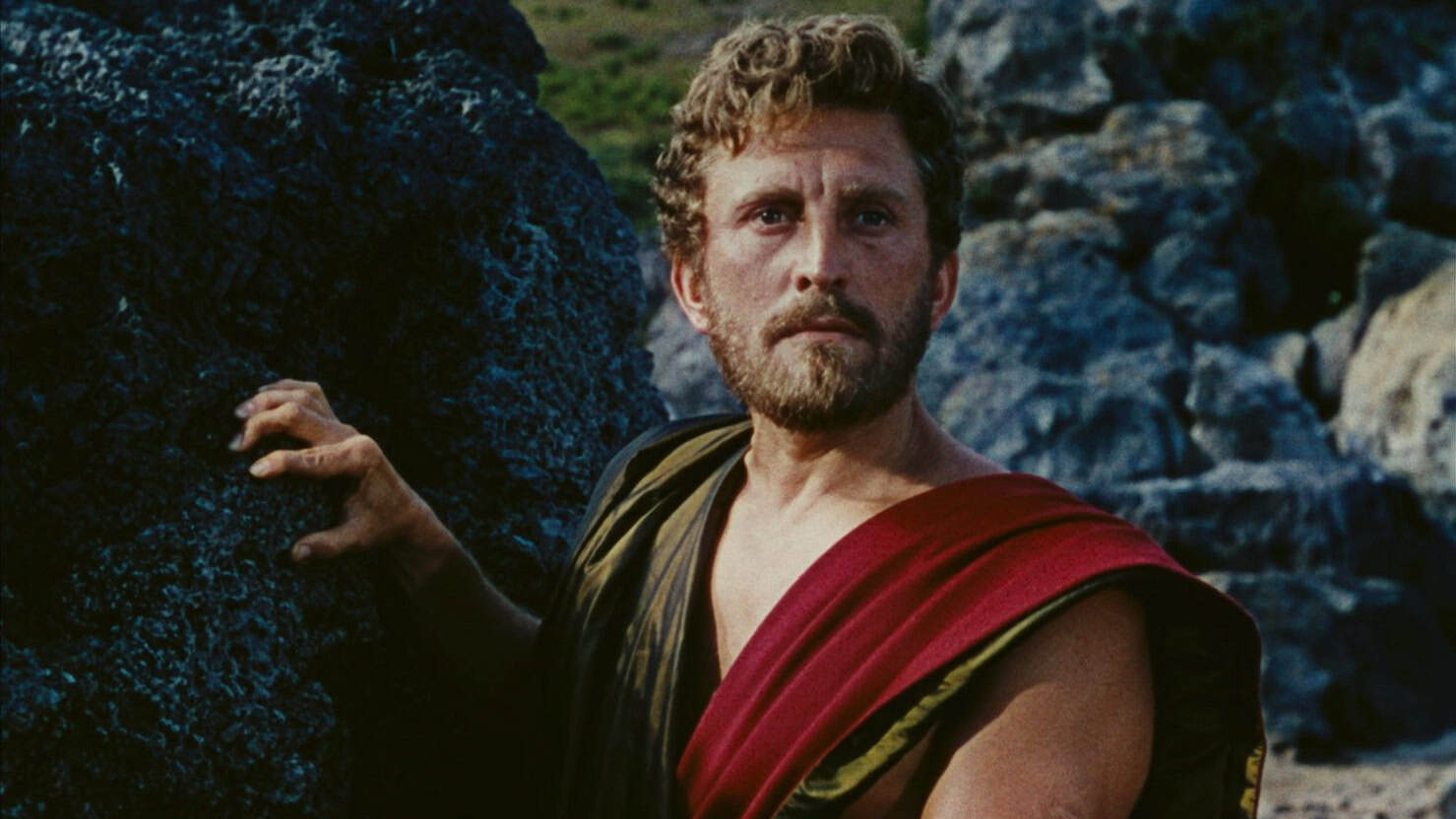
The cast alone should be enough to pique your interest. The titular hero Ulysses (simply the Roman Latin name of Odysseus) is played by the American acting legend Kirk Douglas. The primary cast is rounded out by Silvana Mangano, frequent collaborator of Pier Paolo Pasolini and Luchino Visconti, in a dual role as both Penelope and Circe, and two-time Oscar winner Anthony Quinn as Antinous. The film was even meant to be directed by silent film icon G.W. Pabst with plans to shoot in 3D, but he ultimately left the project before filming began.
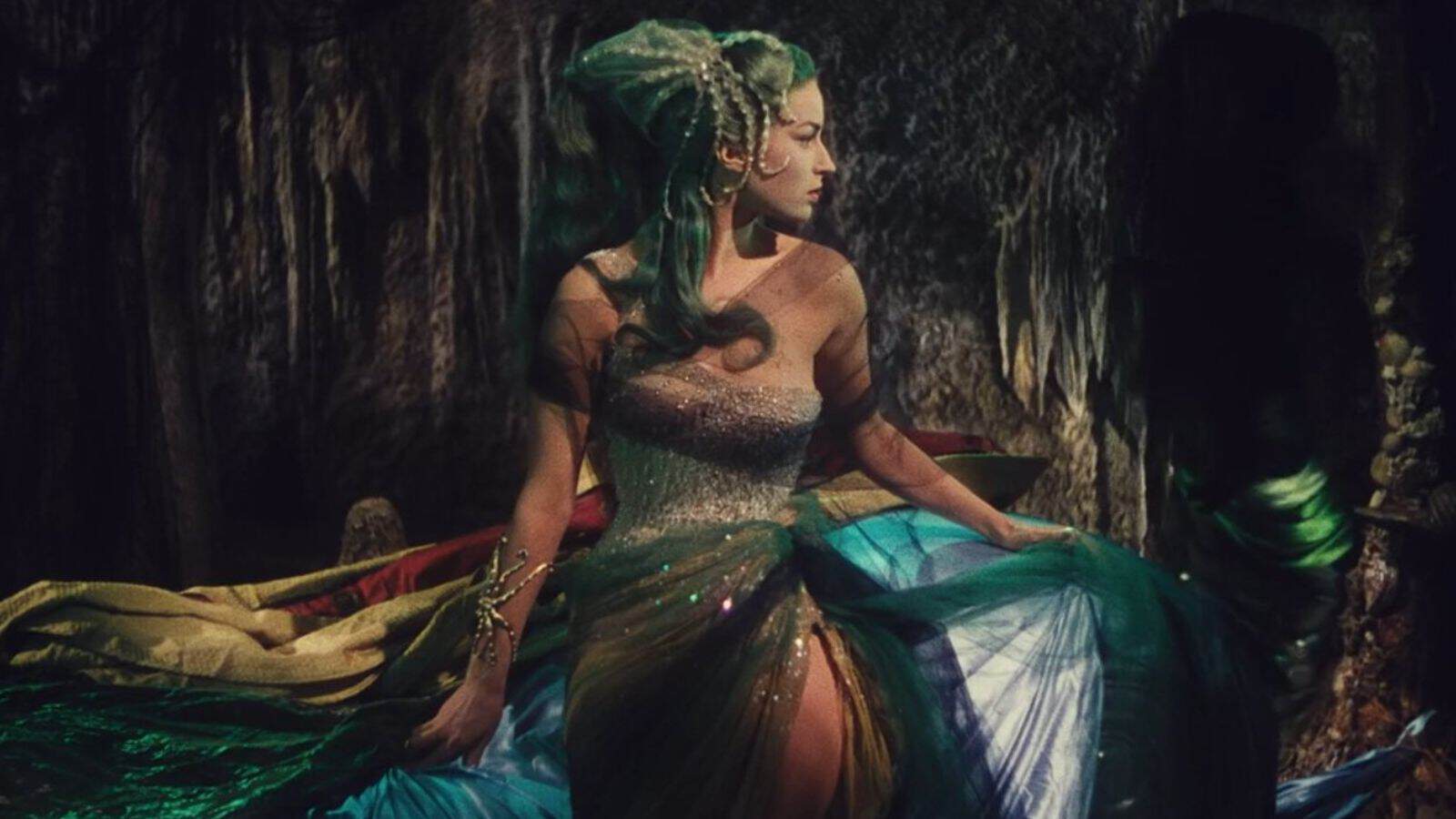
But the biggest name attached to the production is neither the director, nor any of the actors. Despite going largely uncredited, Mario Bava was highly involved with the film. If you’re unfamiliar with the name, it wouldn’t be an exaggeration to call him one of the greatest genre filmmakers of all time. He made one of the greatest James Bond movies not called 007 in Danger: Diabolik (1986). With Planet of the Vampires (1965), he created a visual language that would go on to inspire countless science fiction and horror films – anything from Ridley Scott’s Alien (1979) to Aquaman and the Lost Kingdom (2023). And that’s before we get to the Giallo genre, which Mario Bava first invented with The Girl Who Knew Too Much (1963) and then refined and popularized with Blood and Black Lace (1964). In doing so shaping the American slasher that would take over the horror world in the 80s, since the Italian giallo is generally considered the direct precursor. In short: if you’re a fan of genre films, then your favorite filmmaker was probably inspired by Mario Bava.
He was hired to work on the special effects but quickly became the camera operator and co-cinematographer. Accordingly, it’s no surprise that the visuals are a highlight of the film. While Christopher Nolan and Hoyte van Hoytema have opted for an earthy approach dominated by browns and greys (which is not to be mistaken for the colorless sludge you’ll find in most Marvel films!), the shot-on-technicolor Ulysses (1954) boasts a brightly colorful image. Nature is captured in beautiful vivid tones, while the royal garbs’ colors are deep in contrast. I can only imagine how stunning a new 4K restoration of this would look.
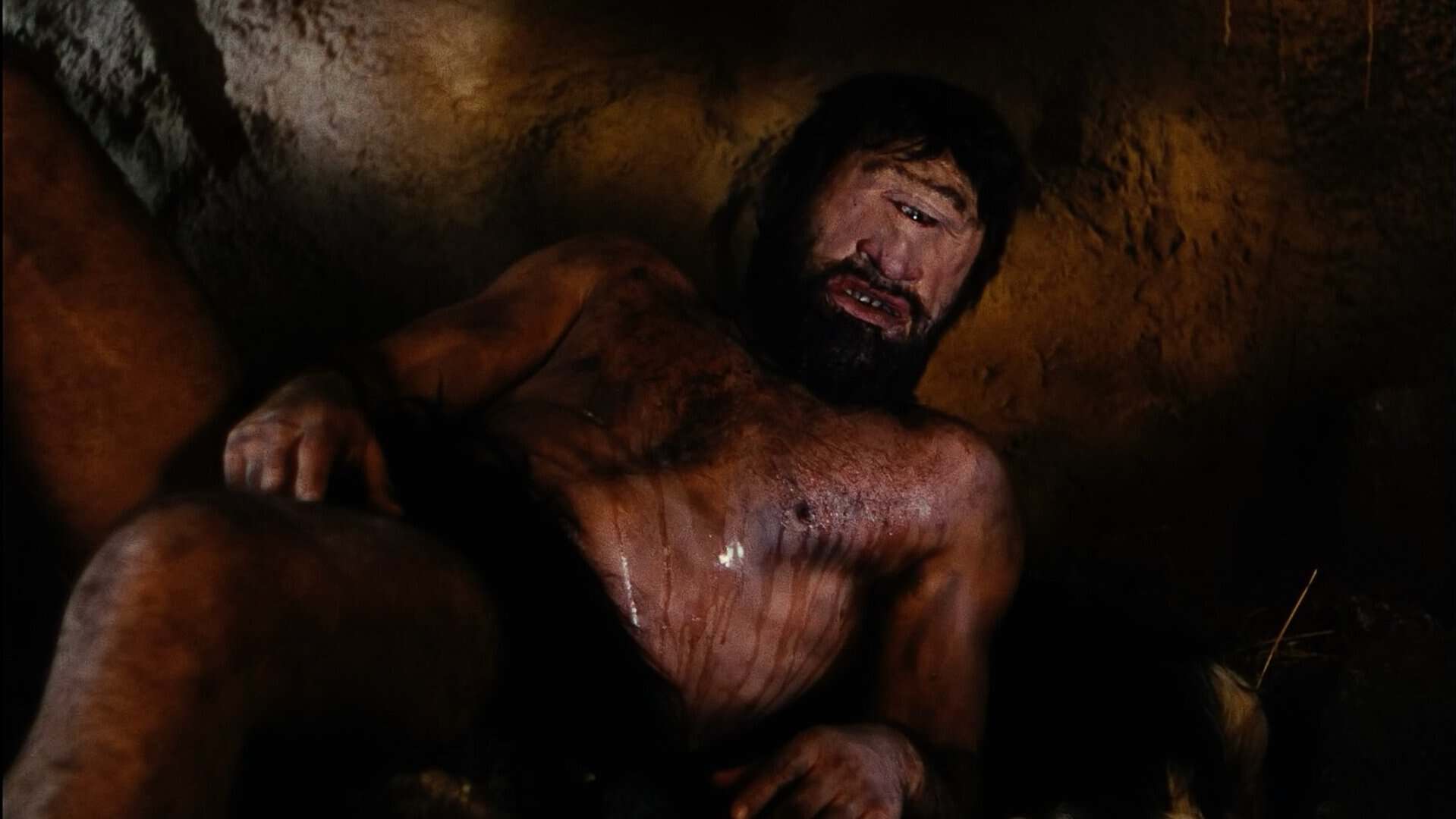
Mario Bava also took over the role as director from Mario Camerini for the cyclops segment of the film, in which Ulysses and his men are trapped in Polyphemus’ cave and have to find a way out. Given that Bava sat in the directing chair for this part, you might expect it to have a similar horror approach as Nolan’s adaptation of the same scene; that could not be further from the truth. It sticks with the somewhat silly tale of getting the giant drunk on wine, but plays it completely straight as a dramatic scene. What makes this chapter truly work is how technically flawless it is. Polyphemus looks fantastic and easily holds up even now, 70 years later. In general, there isn’t much in this adaptation that feels outdated thanks to the same emphasis on practical effects and shooting on location that Nolan would opt for in his telling of the tale.
The biggest difference between the two movies lies in their respective running times. Christopher Nolan’s The Odyssey (2026) is over an hour longer. It uses those extra minutes to explore aspects of the story outside of the titular journey across the sea. The political intrigue in Ithaca, the events of the Trojan War, and most importantly the regret that plagues Odysseus’ mind over his actions. Ulysses (1954) isn’t interested in exploring any larger themes and simply adapts the epic poem as a fun adventure tale.
Despite being much shorter, my biggest gripe with the Italian version is that it can be a bit tedious and slow moving at times. Individual segments are great, and the entire third act is fantastic, but especially those first 30 minutes are rather uninteresting. This is admittedly also a problem I had with Nolan’s adaptation, though to a much lesser degree, thanks to how he brings it all together in the end. Nevertheless, the scenes with Polyphemus and Circe make this well worth watching by themselves.
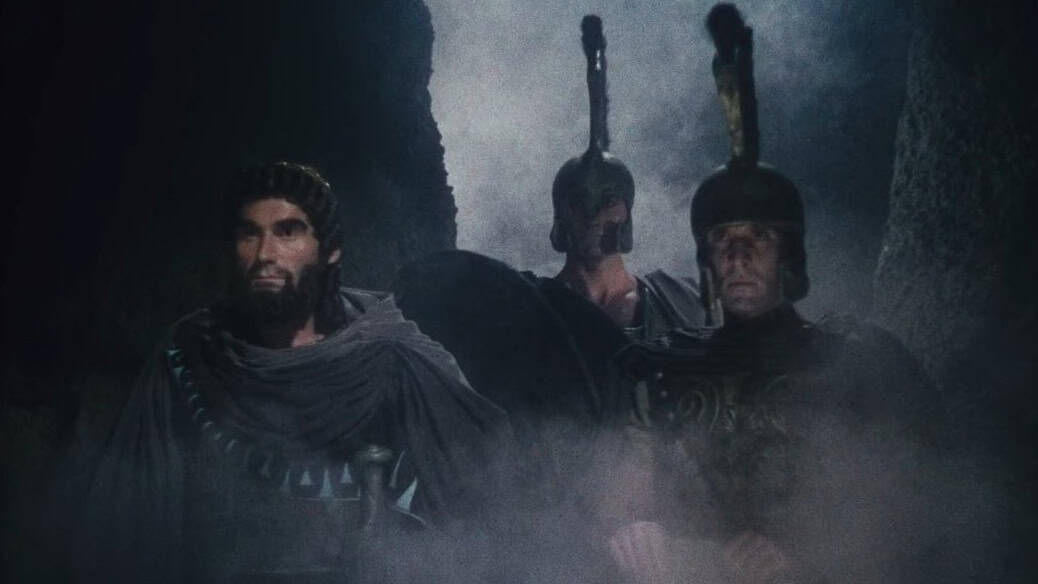
While Ulysses (1954) itself may not have had the historic staying power, despite its fantastic cast and behind-the-scenes talent, its legacy is secured in the film canon thanks to another, much bigger film that would come 10 years later. Alberto Moravia would go on to write the novel Il Disprezzo (1954), loosely based on his experiences working on Ulysses (1954) as (another uncredited) writer to fix the screenplay during production. Said book would then be adapted into Contempt (1963) by Jean-Luc Godard, which is widely considered to be his most commercial, but also one of his best, films. In it, Fritz Lang, who plays himself, attempts and fails to direct The Odyssey while the screenwriter brought in for rewrites slowly loses his wife.
While Mario Camerini’s Ulysses (1954) isn’t a triumph and can hardly keep up with the newest Hollywood adaptation in all its grandiosity and thematic depth, it’s by no means a failure either. It’s a beautiful adaptation of the historic poem that’s guided by a sense of adventure before anything else.
 ObserverCrew Picks
 bserver
 bserver