My younger sister and I did not step foot into the world of musical theater physically until well into our adulthood. But we knew, without ever having seen a live performance, that the 2019 film adaptation of Cats was, in so many ways, not correct. How? Because we had a well-worn, well-loved VHS copy of the 1998 direct-to-video film. This was a recreation of the stage musical, not a filmed version of a live production, but the principle is the same. An adaptation can’t beat the real thing, even in the best scenario… and I think we can all acknowledge that Cats (2019) is not the best scenario.
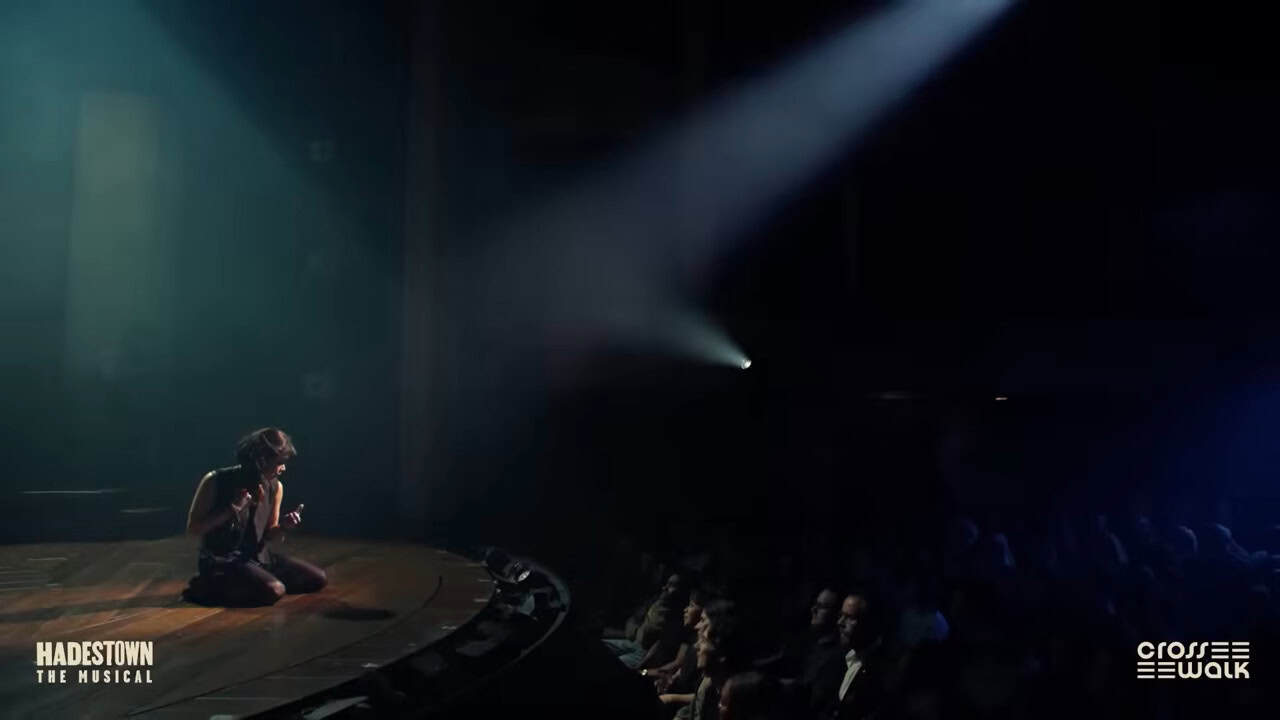
Hadestown: The Musical, the live stage recording from 2025’s limited engagement original cast reunion from London’s West End, was originally slated for a limited theatrical release: July 24 to July 28. Five nights only. But when it unexpectedly broke the opening weekend box office record set by Hamilton, it was announced that its run would be extended “indefinitely.” (As far as I can tell, this seems to have been wording used in the title of a press release from distributor Bleecker Street and not attributed to any particular entity or quote beyond that, although the word is heavily quoted in other press and social media.) At time of writing, although it seems that indefinite run has ended, the total domestic box office came to over $20 million, far outpacing the estimated filming and licensing costs. WIth half of that money coming from opening weekend, one might wonder: why do the nebulous “they” of the film industry keep trying adaptations over the pro shot?
There’s an easy answer: money. They don’t think it’s worth investing in. And they’re wrong. Leaving aside that pro-shots are preferred by fans, are more accessible to a wider audience due to location and finances, and I won’t even mention Starkid, let’s look at why pro-shots are superior based on why all of the adaptations are failing.
Let’s start with 2021’s Dear Evan Hansen. First of all, let’s look at the numbers. It had a $28 million budget and a $19 million box office gross. So the money wasn’t there. But was it the fact that it was a musical? Whether you like the show or not, it won 6 of 9 Tony awards it was nominated for in 2017. And it made its money back as a Broadway production, otherwise no one would have been interested in adapting it. So what’s the problem?
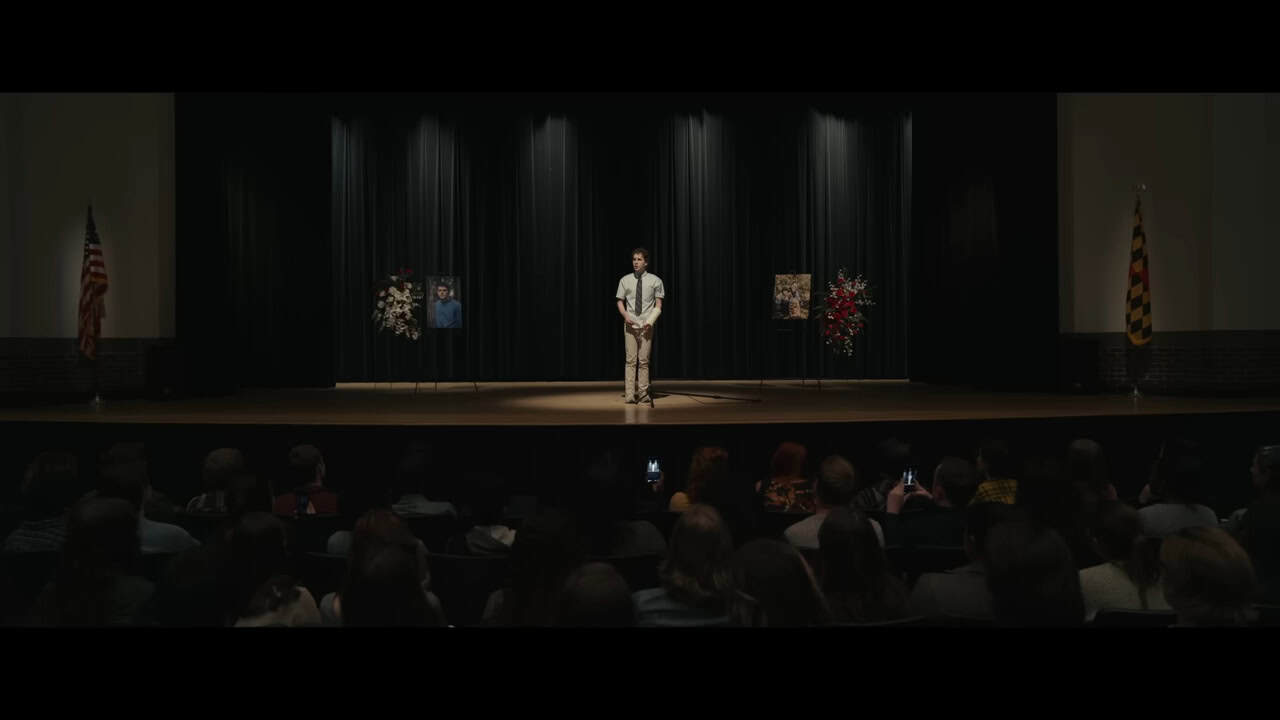
Well, the casting was, as usual, controversial. Ben Platt originated the role, but even a lot of fans agreed that, because of the medium of film, it was odd to see him play a high schooler at almost 30. Alongside him, A-listers like Amy Adams, Amandla Stenberg, and Julianne Moore. To be fair, the celebrity casting in Dear Evan Hansen was less egregious than in some cases, but the roles, as usual, seemed to be cast with name recognition weighted equally with, if not greater than, musical talent or suitability for the characters.
Compare this to the Hamilton pro-shot, previous box office record holder for recordings of live performances, which features its original Broadway cast, all of whom (with the exception of Jonathan Groff) originated the roles in the Off-Broadway production before its viral success. The film is created using recordings from three performances in 2016 during the production’s original run. The year, in fact, that it won 11 Tony awards. It was released on Disney+ in 2020 and had its theatrical release in September of 2025. It still made $20 million dollars at the box office almost ten years after its original recording.
Looking at a different aspect of adaptation, and I believe this makes a greater impact than casting, some numbers are cut and even can be replaced with new songs. This can be not only controversial for fans of the Broadway show, but can fundamentally change the story being told. This is true for all adaptations, but for Dear Evan Hansen specifically, the songs removed were ones that focus both on the development of the parents as characters and on Evan’s relationships with them, including the consequences and fallout of his actions throughout the story. While people familiar with the show may simply object to the absence of a song they think is important, new viewers don’t get to appreciate the story that the original show was successful and celebrated for telling.
Something similar happened to Mean Girls (2024) which, while a box office success, was critically panned,specifically (by some) for the way it adapted its songs. Originally high-energy and featuring a wide variety of musical styles, a huge number of songs from the musical were left out of the film adaptation, and of those that made it in, many were re-scored, slowed down, and made to feel as though they lacked emotion or sincerity.
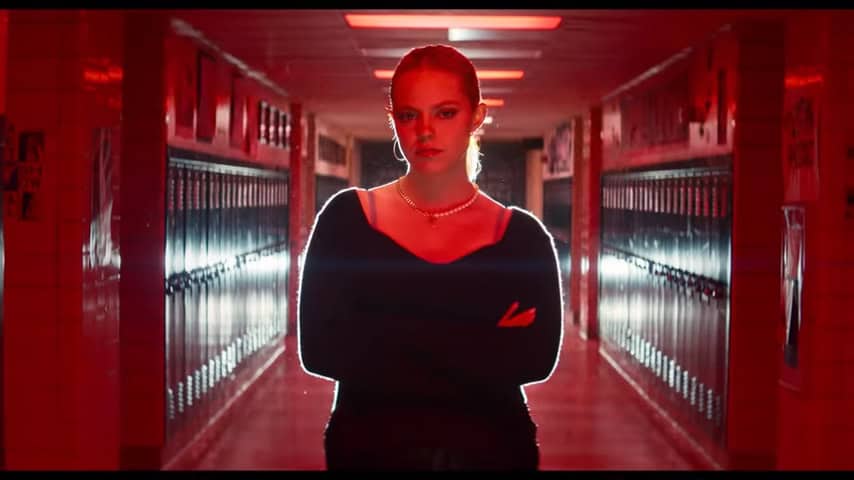
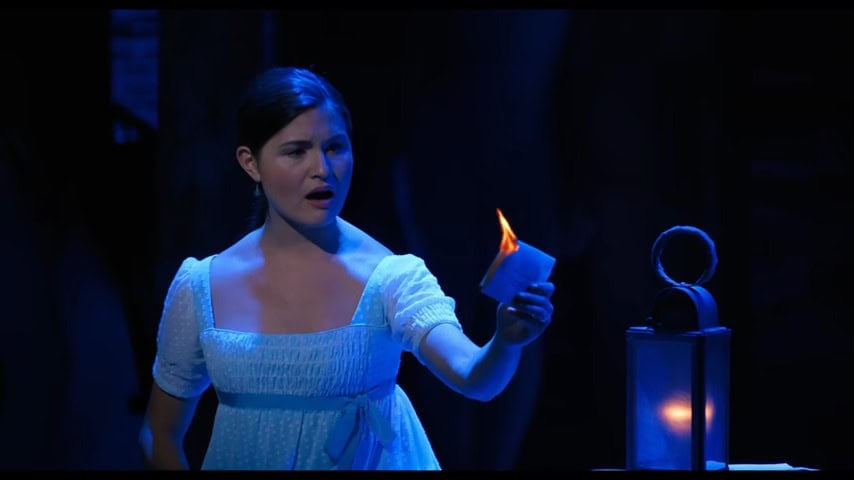
Now consider Waitress: The Musical, a pro-shot produced during the production’s 2021 Broadway run and released in 2023. Not only do we get the full musical, performed in full and as intended, but in this production Sara Bareilles, who wrote the music and lyrics, also plays the lead role of Jenna. Though Mean GIrls (2024) and Waitress: The Musical are both (technically) filmed adaptations of musical adaptations of films, one keeps its heart while the other is, as Critic and YouTuber TheWritersBlockOfficial described, “embarrassed to be a musical.”
We also have to take into account that in Dear Evan Hansen’s original production, it didn’t have traditional large-scale Broadway choreography, but used “heightened naturalism” as described in a 2016 Dance Magazine article. While the film adaptation doesn’t attempt to go against the musical’s inherent nature by inventing new choreography, it does create static scenes with long, lingering shots on the singer, which lose interest quickly.
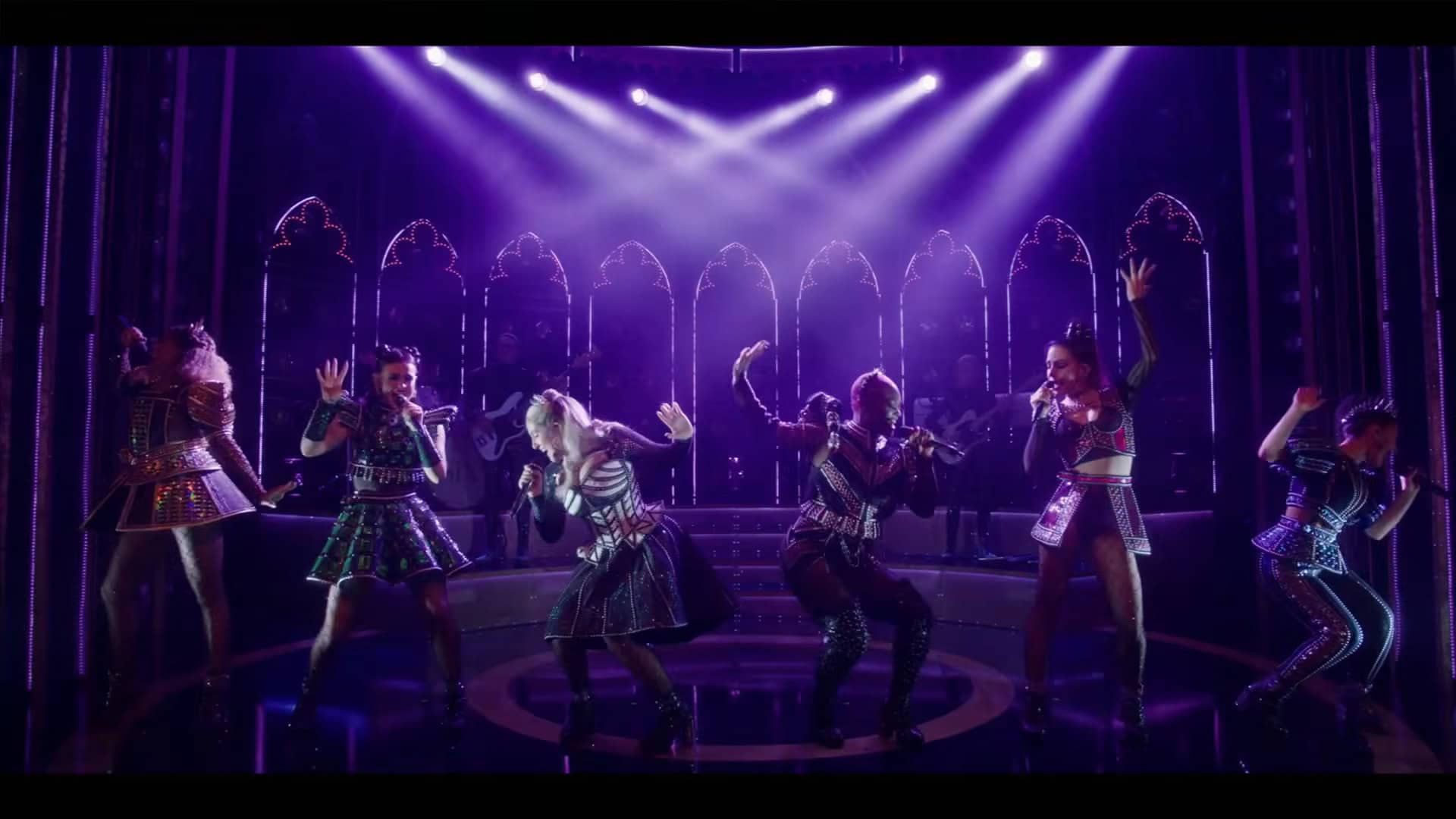
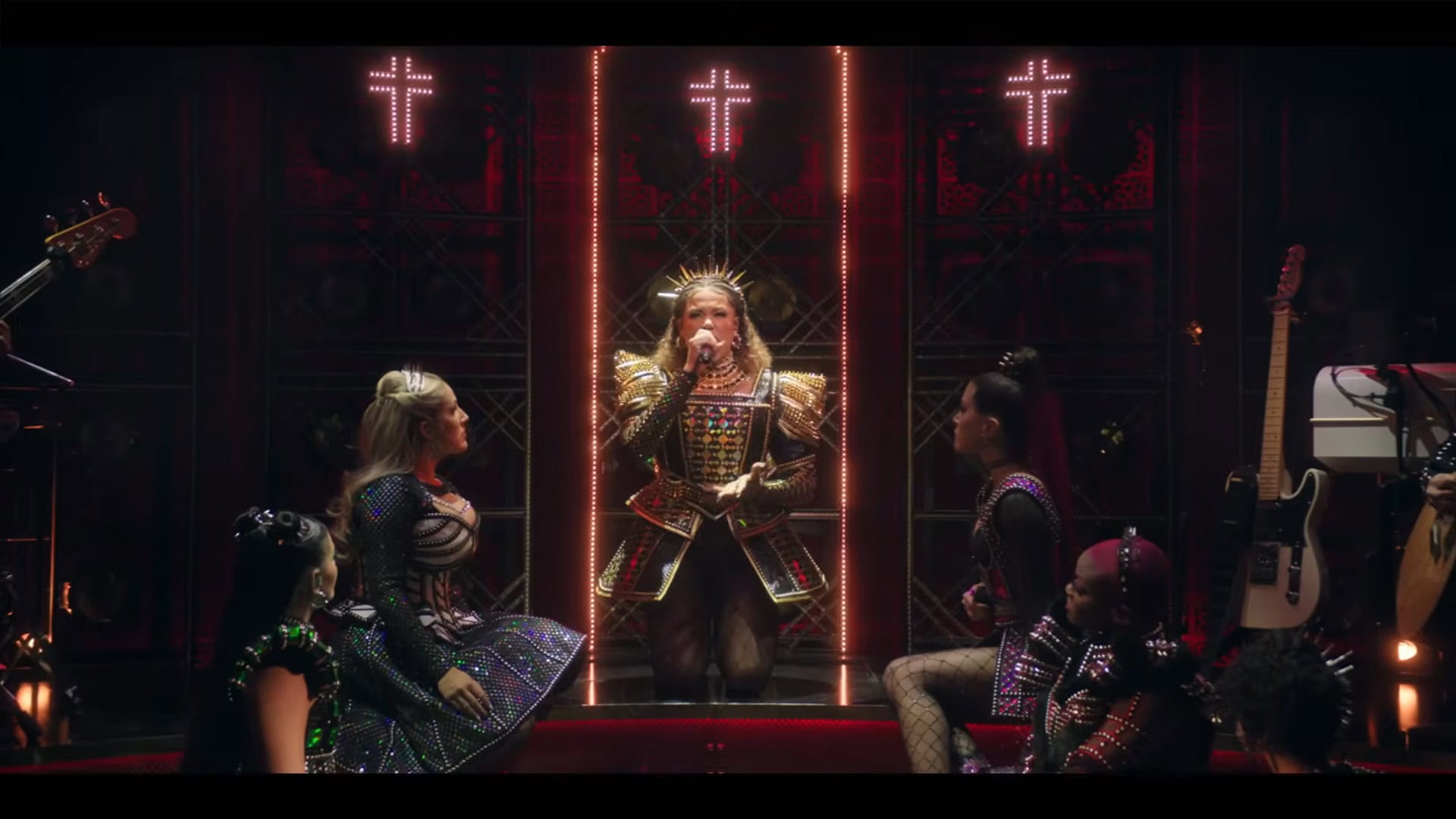
SIX, on the other hand, has constant movement, performed on a small stage where all cast members are present 100% of the time. This makes sense, given the conceit of the musical is a concert given by a girl group made of the six wives of Henry VIII, and the pro shot both gives the feeling of a concert film and shows off the choreography to its best advantage.
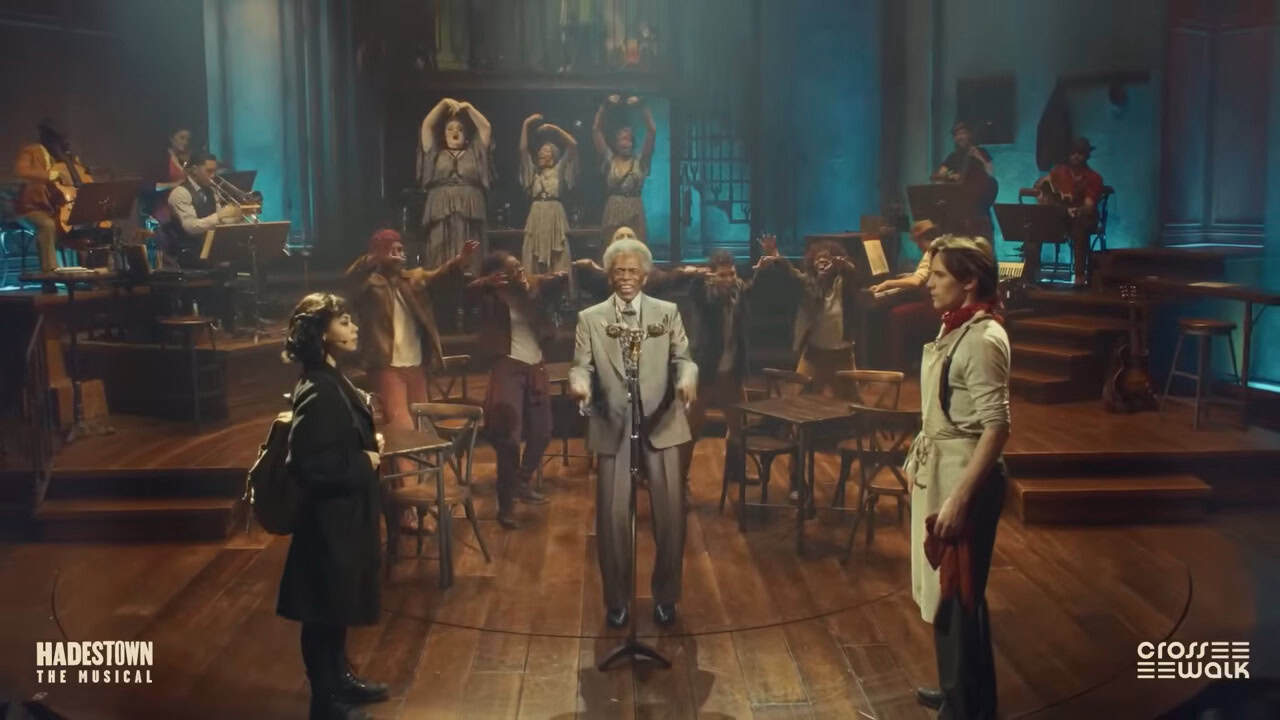
The Hadestown pro shot similarly allows the audience to appreciate the unique choreography created by the swinging lamps in Wait for Me or the rotating tracks on the stage, and also brings new appreciation even for those lucky enough to have seen the performances in person with overhead shots, shots from inside the lowered trap door. They’re able to add without replacing, to adapt the experience without lessening the impact of the original.
In general, the industry seems less willing to take on a musical, with the rare exception. They’re afraid of losing money, and if we’re looking purely at numbers, it’s actually harder to tell what the rates of financial success are for pro-shots because not all of them have clearly declared budgets. Only the box-office numbers are clear, along with actions like extending previously limited releases. However, the bigger losses are on the side of the adaptations.
Quality is on the side of the pro-shot. Availability is on the side of the pro-shot; many productions go ahead and invest in making the recordings hoping to find distributors later on. Hopefully, Hadestown and its success will encourage distributors to take a chance on someone who’s been waiting in the wings…but just in case, go see SIX a couple of times this week while it’s in theaters. Just to boost the numbers.
 ObserverCrew Picks
 bserver
 bserver