Avatar: The Last Airbender is probably closer to my heart than any other story I’ve ever been told. It is strong, it is meaningful, and it is very, very important. Go watch it! You deserve it. While I was very disappointed with much of Season 1 back in 2024, I was probably alone in thinking that it could get better in Season 2. Showrunner Albert Kim clearly did not understand the source material, and I felt that if he left the show, they had enough sauce to make it work.
Lo and behold, Kim did leave the show after Season 1, with Christine Boylan and Jabbar Raisani taking over for Seasons 2 and 3. Don’t worry, both seasons were shot back-to-back, so Aang’s unexplainable growth spurt won’t get worse. While it still pales in comparison to the original, Netflix’s Avatar is now pretty good when viewed as its own thing. Whether a much worse but still good version of the best TV show of all time is worth your time, I will leave up to you.
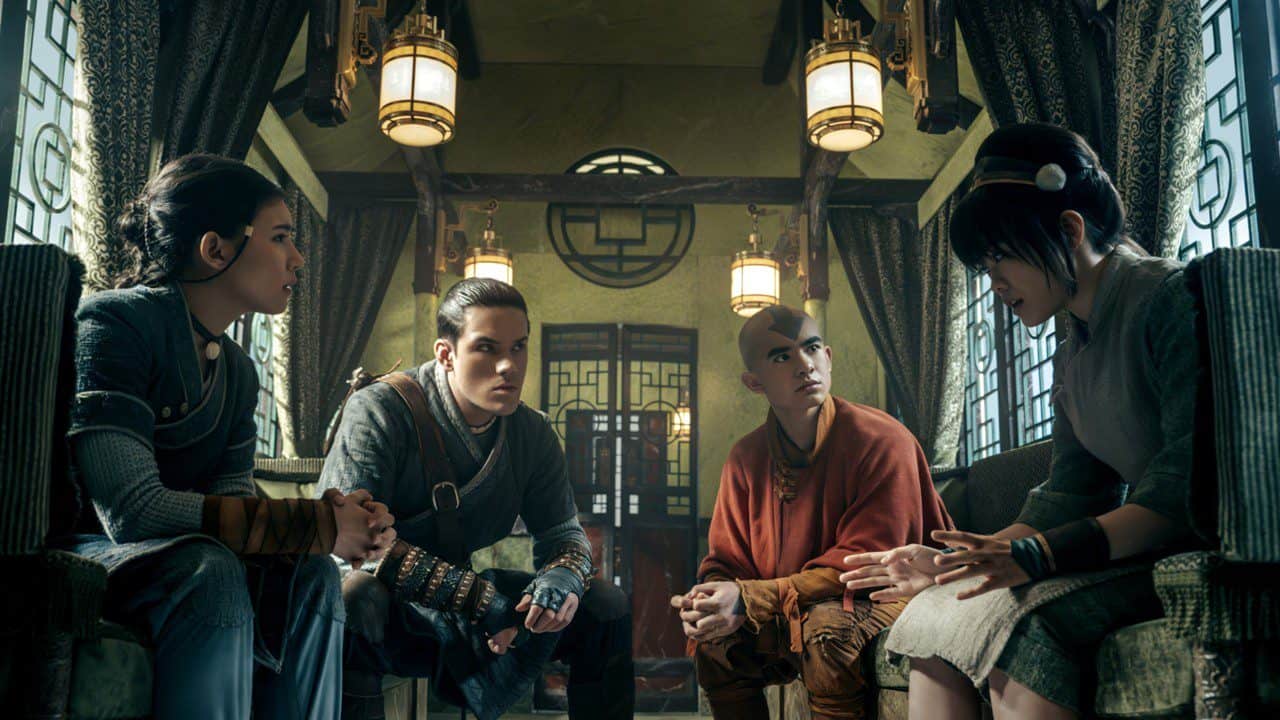
First, the performances have improved across the board. I was very impressed with the whole Gaang’s improvement, especially since all of them have big shoes to fill from the original voice cast. Dallas Liu (Zuko) continues to be the shining star of the show, bringing our favorite redemption-seeker to life with cartoonish facial expressions, over-the-top yelling, and brooding concentration. I feel that the directors are better now, and Liu has clearly developed a rapport with Paul Sun-Hyung Lee (Iroh) that shines through in their moments on screen together. Gordon Cormier (Aang) has much improved on his line delivery and general screen presence, and Ian Ousley (Sokka) continues to deliver good humor and grounded reflection.
I would give Katara the Most Improved Character award, but don’t want to make it sound like actress Kiawentiio is to blame; her character was completely butchered in the first season. She was preachy, boring, and gullible in a way that made me feel more annoyance than sympathy, as the writers completely missed Katara’s defining trait. It’s not over-emotional speeches about hope – it’s anger. Katara is two juxtaposed characters at once: an enraged wraith hellbent on getting revenge for her mother’s death, and a hopeful optimist who knows things can be better. Thankfully, the writers in Season 2 address this promptly, returning Katara to the same complex and wonderful character she was in the animated show. Her anger leads her to hope, while her foil, Jet, lets his same anger lead him to darkness.

Elizabeth Yu (Azula) finally makes her grand debut into the main cast, accompanied by Mai and Ty Lee. Yu is carrying a lot of weight to match the generational performance of Grey DeLisle, and doesn’t quite get there. She has screen presence, and there are times when she does become scary, but the live-action version never reaches the heights of her very first scene in the animated show. “Do the tides control this ship?” I liked Mai, although her delivery is a little too deadpan. Ty Lee seems to have jumped right out of the screen and into real life, so congratulations to everybody involved in making that happen.
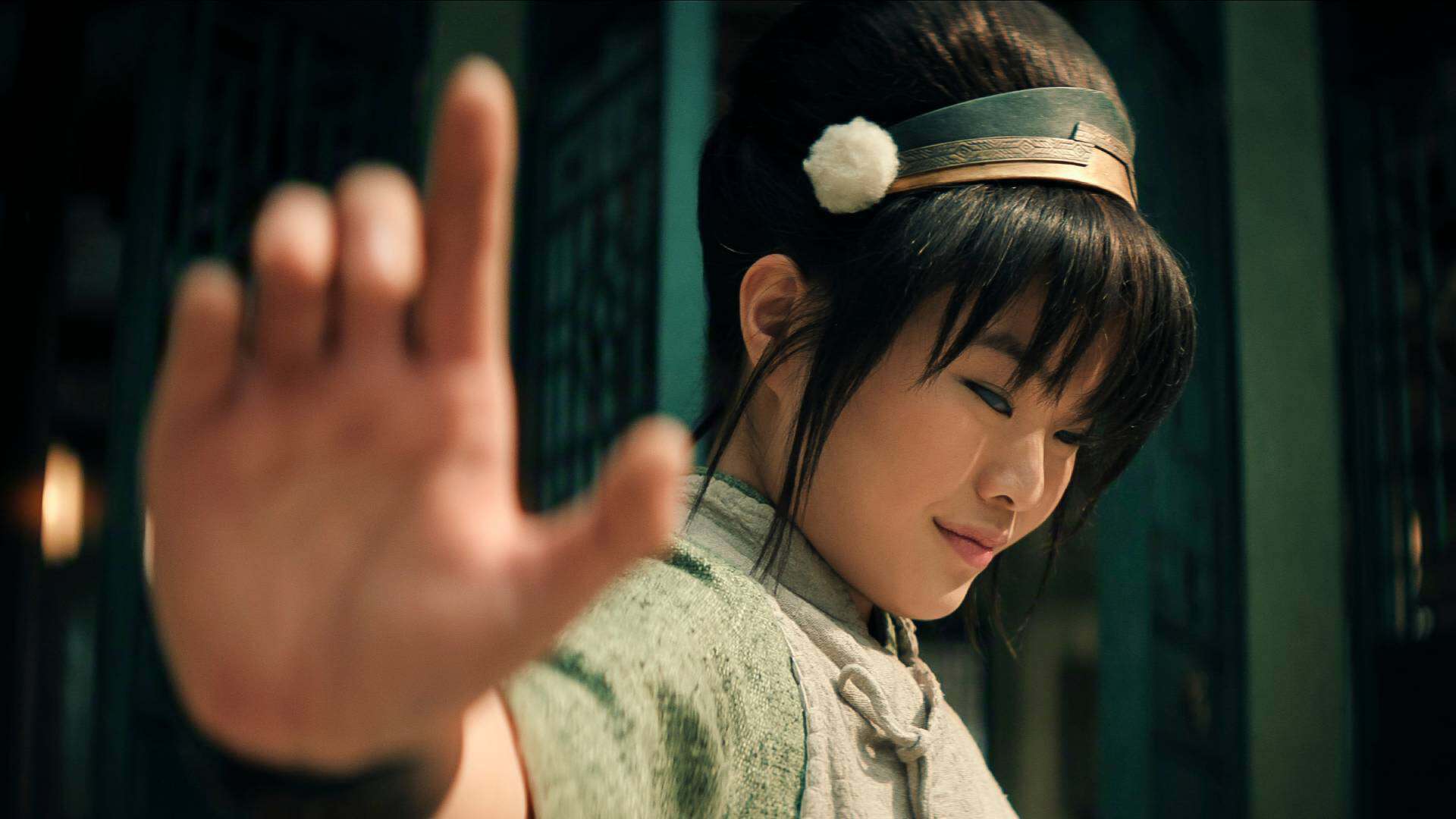
So let’s talk about Toph. The Greatest Earthbender in the World has consistently been the fan-favorite since she appeared early in Book 2 of the original show, and her presence in the live-action adaptation has been highly anticipated. Actress Miyako does good work with what she is given (and sounds miraculously similar to original actress Michaela Jill Murphy), but her arc is interrupted by needless changes that I cannot separate from her. In this version, Toph’s mother is a psychopath, ending the season by pretending to finally accept her daughter, then drugging her, then kidnapping her. She is a hateful, spiteful woman who is also knowingly selling weapons to the Fire Nation, and Toph’s story becomes about her maternal abuse rather than escaping who high society demands she be.
Netflix sticks closer to the original storyline than they did in Season 1, but does change some critical elements for reasons beyond my understanding. I’m all for making story changes so the characters we know can effectively go on a new adventure, but you have to replace the original story with something equally or more interesting. This show rarely does that. I also understand that Season 2 was planned to be 8 episodes and Netflix forced the showrunners to cut it to 7, so huge episodes like The Guru, Appa’s Lost Days, and The Avatar State are cut entirely. I can live with this – the problem comes in changes like having Zuko turn on Iroh at the end not because Azula tempts him with false promises of honor, but because she genuinely sympathizes with him over losing their mother. So what am I to make of Azula now? She’s got a heart of gold underneath her psychotic exterior?
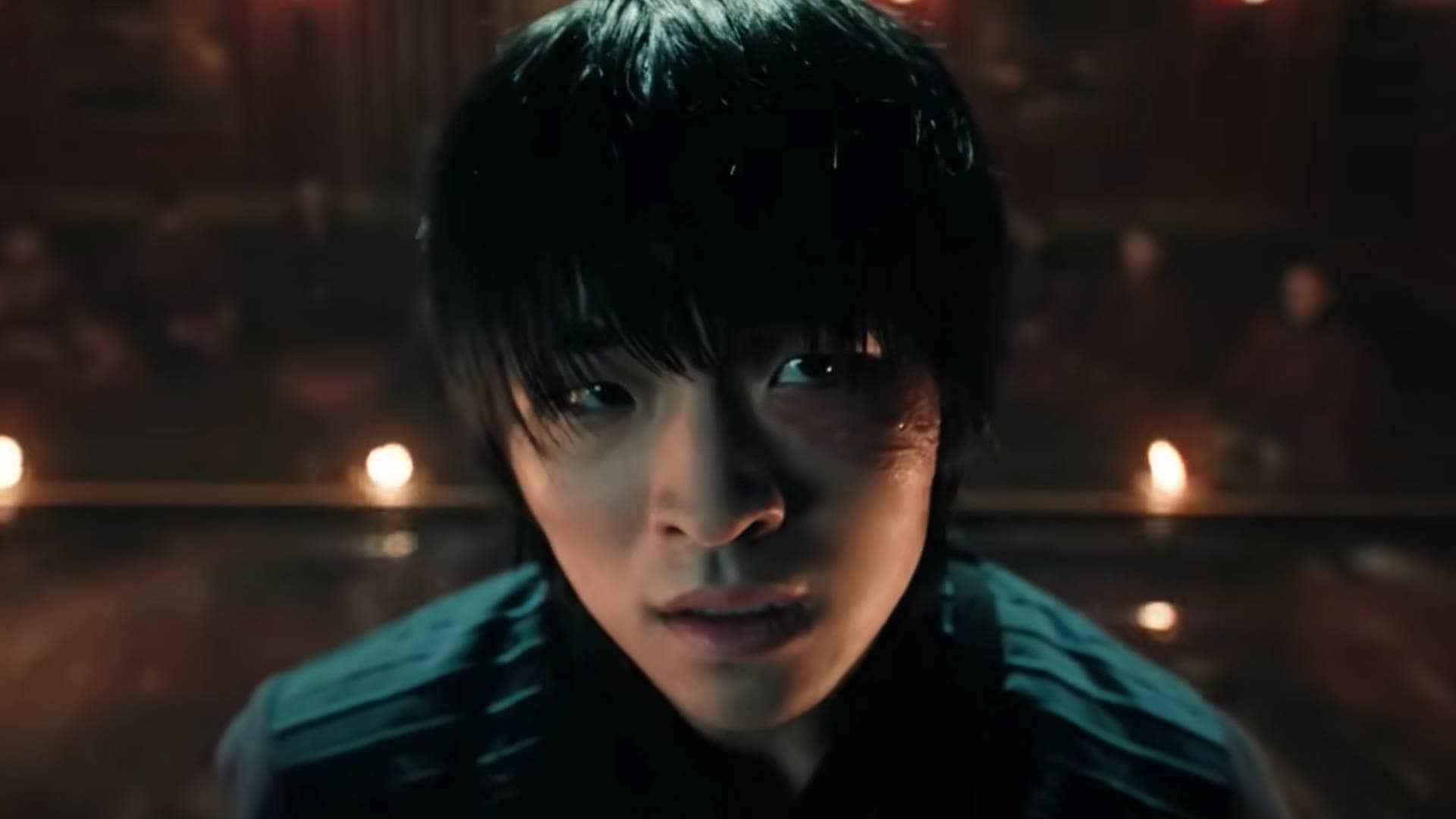
I get the sense that in Season 2, the showrunners do at least understand the characters, which is a big improvement. I don’t mind Jong Jong appearing to have a harsh conversation with Zuko on the realities of war, or Suki getting a lot more screentime with Sokka to build their relationship. What I do mind is making this version of Jet even more vengeful, turning him into a walking hate crime, and then having him die “as a hero” and “redeem himself” because he was sad about all the people he killed. Season 2 gets these characters and translates them to screen properly, but fails to understand the message the original show was conveying. It doesn’t matter if Jet was going to kill hundreds of innocent people by way of a bomb in Omashu vs a small village. It matters greatly what the characters learn from it all, and how the show treats it.
The story about Ba Sing Se as a surveillance state is totally gone. In the Netflix show, everyone, including the Earth King, already knows about the war. The Upper Ring simply doesn’t care and has chosen to let the world burn outside the walls of Ba Sing Se. Joo Dee is not a hypnotized robot robbed of free will; she is an agent of the information-suppression regime and trying actively to keep appearances up. Instead of proving to the Earth King that the war is happening, the Gaang has to prove to the Earth King that he should care about the war at all. Long Feng is a jolly administrator who smiles while concocting schemes, not the mustache-twirling, scenery-chewing villain Clancy Brown delivered to us.
I get how this all happened – the writers think that a story about how disaffected we all are about the wars happening oceans away in the real world is safer to tackle than the real, calculated, dystopian age of misinformation we are all living through. It is safer. It’s also a lot less interesting. My own government is currently and openly taking cues from China and North Korea’s information suppression systems, the very countries that inspired the Dai Li in the original. This is an American show by American writers, and there has never been a more prescient time to deliver a story about misinformation and its consequences. I have a strong feeling I should be blaming the Netflix producers for this direction, though, not the writers. Just a hunch.
All in all, as a standalone TV Show, Season 2 of Avatar The Last Airbender works pretty well. It misses a lot of key moments and scenes, alters others to become less interesting for no reason, and chooses to pursue safer themes rather than what the original explored. It also has great performances, costumes, pacing, and sets with even better special effects and combat sequences than Season 1. If you are not a fan of the original, or maybe have watched it once as a kid and then forgotten most of it, this is a solid show. It is now at least about something, even if that something is still a massive step down from the cartoon. If you’re curious, I really recommend skipping Season 1 altogether and going right to Season 2. I enjoyed it well enough, but you can tell this show was produced by a committee and not from an artist’s vision. Which makes it just like nearly every other Netflix show.
FilmObserver Score: 6/10 – Decent
 ObserverCrew Picks
 bserver
 bserver