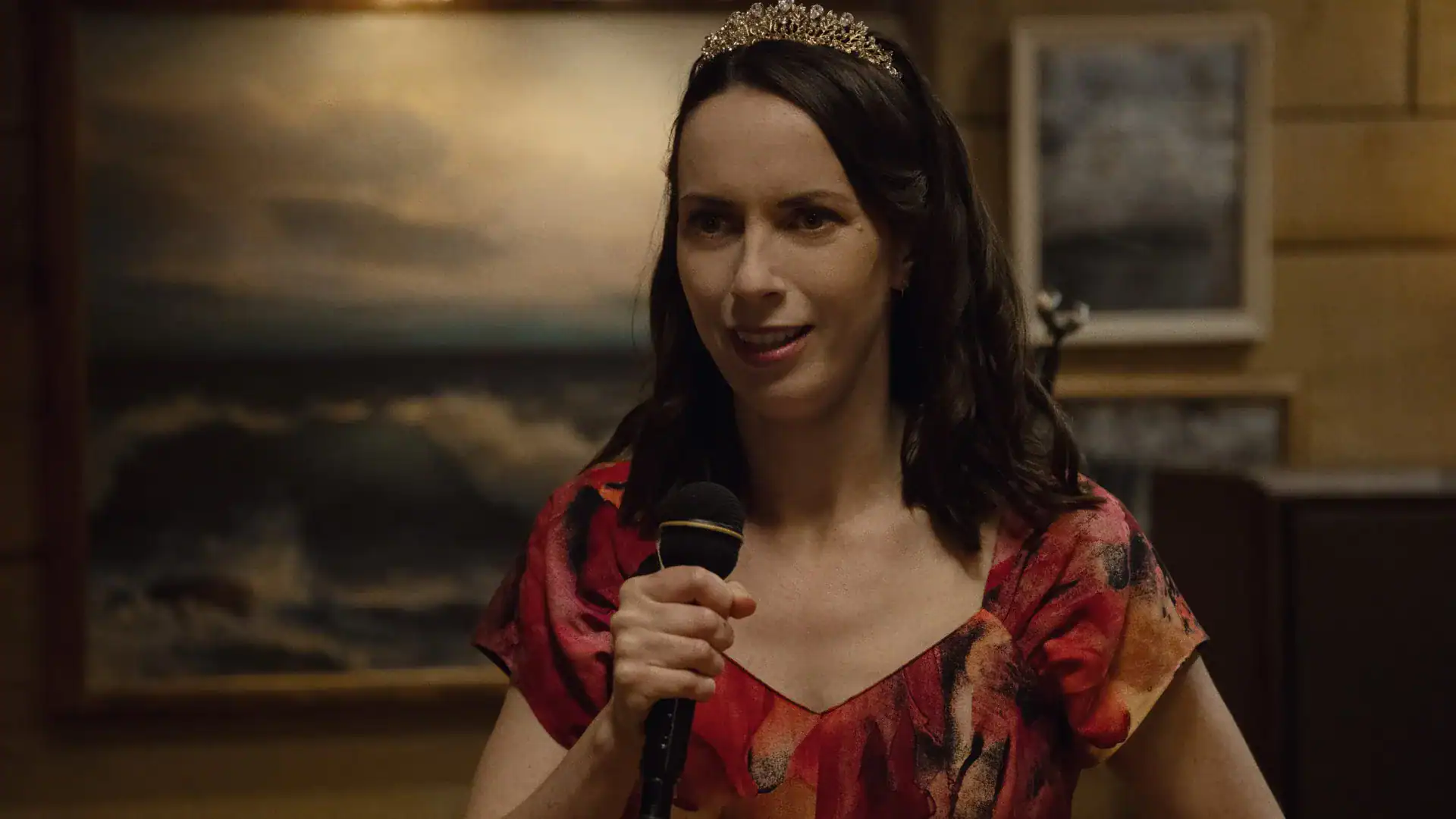
If you had told me last year that Apple TV’s number one show of 2026 would be a hybrid cosmic horror/comedy show, I’d have said you were out of your mind (no pun intended). But here we are, on the tail end of the 10-episode first season of Widow’s Bay, and I’m as surprised as anyone. It’s also been a hit with critics, earning 17 Emmy nominations with many of them for major awards. This article will have spoilers for Widow’s Bay, so read at your own peril.
Parks and Recreation writer Katie Dippold famously brought the idea for Widow’s Bay to showrunner Mike Schur back in the late 2000s as a pitch for an episode, but Schur correctly clocked that it was a bit too scary for the comedy series and was also too good an idea to spend on a single episode. As such, Dippold held onto the script, eventually retooling it into an original story and leaning much harder on the horror aspects.
Between movie hits like Backrooms and Obsession this year, it’s easy to proclaim “horror is back!” The same claim is made every seven years or so, but the truth is that it never really leaves. Even in the past few years, horror movies consistently have performed well at the box office and on streaming. Rough estimates have seen horror movies’ combined box office pulling in over $1.7B consistently every year since the pandemic ended!
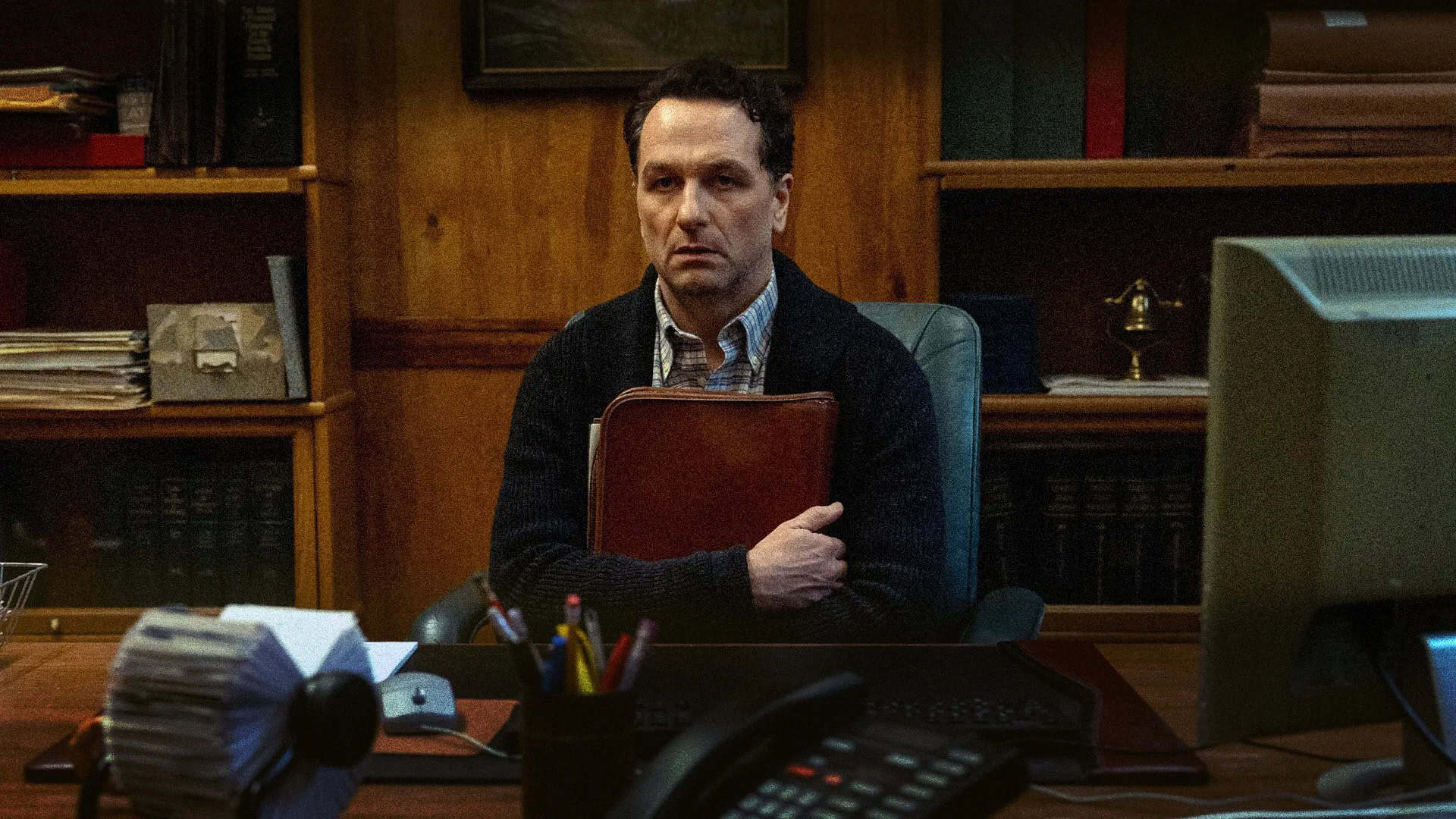
Streaming series like The Haunting of Hill House, Midnight Mass, It: Welcome to Derry, and All of Us Are Dead have made massive waves in the last five years at home as well. We know general audiences like horror – it’s been true since the dawn of storytelling. But Widow’s Bay shows that there is room for a lot more exploration of one of its most underserved subgenres: cosmic horror.
Cosmic horror, also known more specifically as Eldritch horror or Lovecraftian horror, has existed for a long time. It was codified into a subgenre by American author (and famous racist) H.P. Lovecraft in the 1930s, established by his famous short story The Call of Cthulhu and built out in his novels, essays, and other short stories over the next few decades. Cosmic horror focuses on the terror and dread of what is incomprehensible, often featuring unknowable and imperceptible gods and demons that walk among us. The aesthetic also necessitates a New England setting. Author China Miéville described it best: “Lovecraft’s horror is not one of intrusion but of realization. The world has always been implacably bleak; the horror lies in our acknowledging that fact.”
There is no shortage of cosmic horror films and TV shows, dating back as far as the subgenre itself. It should be noted, though, that almost all of these stories have been low-budget, with little marketing and little mainstream access. Generally, only super fans of the genre would have found themselves watching Roger Corman’s The Haunted Palace in 1963 or Vernon Sewell’s 1968 cult classic The Curse of the Crimson Alter. Cosmic horror has, however, influenced major mainstream hits like Alien and Evil Dead, if only indirectly.
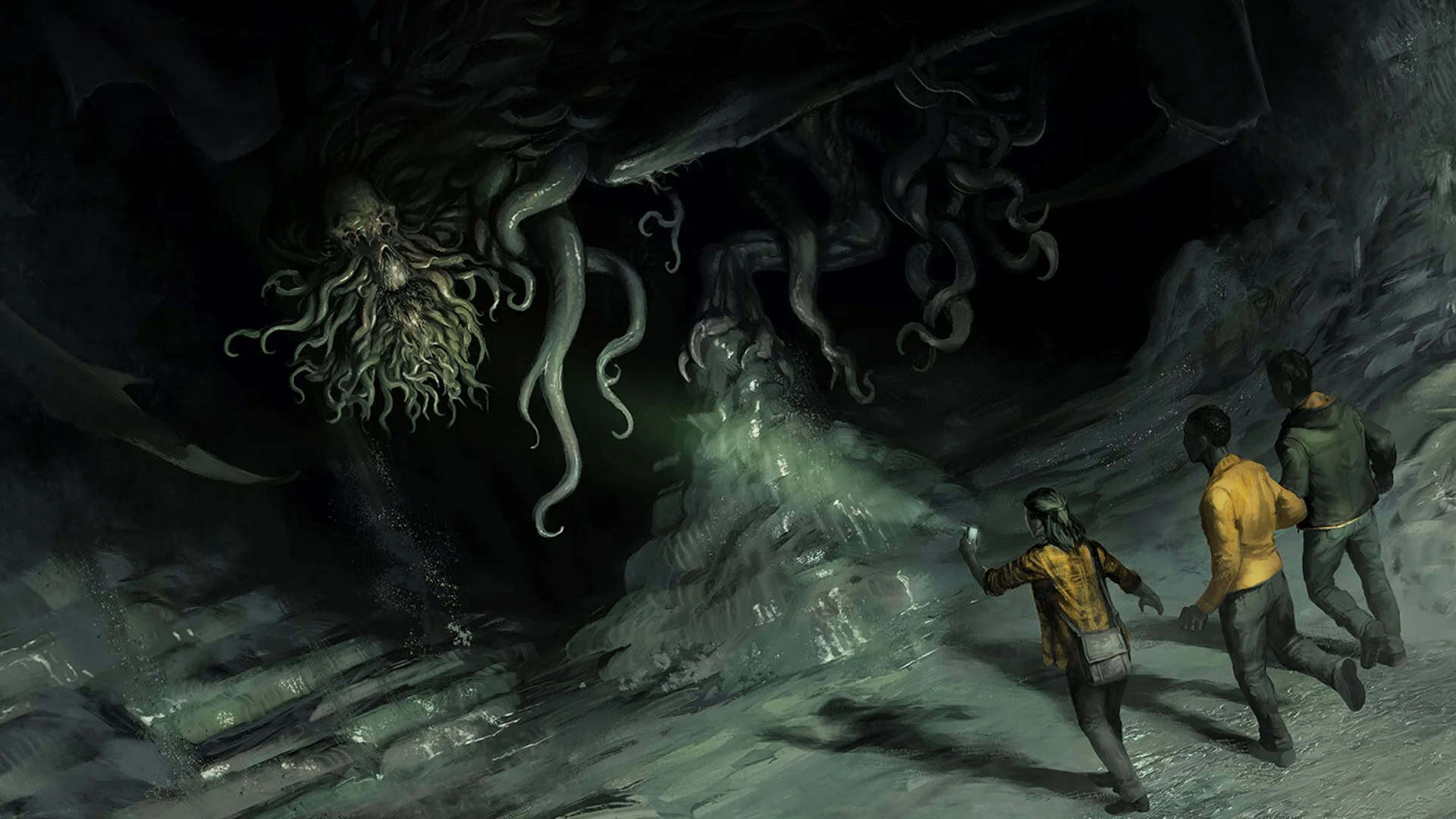
Cosmic horror has found a bit of new life in big-budget media in the 2010s and beyond: Alex Garland’s Annihilation, Robert Eggers’ The Lighthouse, HBO’s Lovecraft Country, and Guillermo del Toro’s Cabinet of Curiosities all come to mind. There’s also the tabletop RPG Call of Cthulhu, which is the second most popular TTRPG in the world after Dungeons & Dragons, and has found extraordinary popularity in recent years. One of PlayStation’s highest-rated games ever, Bloodborne, is a direct adaptation of Lovecraft’s world and themes. Even Stephen King has dipped into cosmic horror with works like The Mist.
Audiences always move through cycles on what hits the sweet spot of just scary enough without being too scary. In the 1960s it was psychological horror, in the ’70s it was demons, the ’80s was slashers, the ’90s and 2000s brought us zombies and Japanese monsters, and the 2010s were defined by the rise of a subgenre titled, to my chagrin, “elevated horror.” So, what is to stop the 2020s from being the era of cosmic horror?
Widow’s Bay has, in addition to lovable characters and an intriguing setting, set upon a type of horror that is generally pretty fresh to a lot of audiences. I think folks are a bit tired of gore and violence – not to say those things aren’t popular, because they are. But Apple TV’s show really takes all the turns you just wouldn’t expect from modern horror.
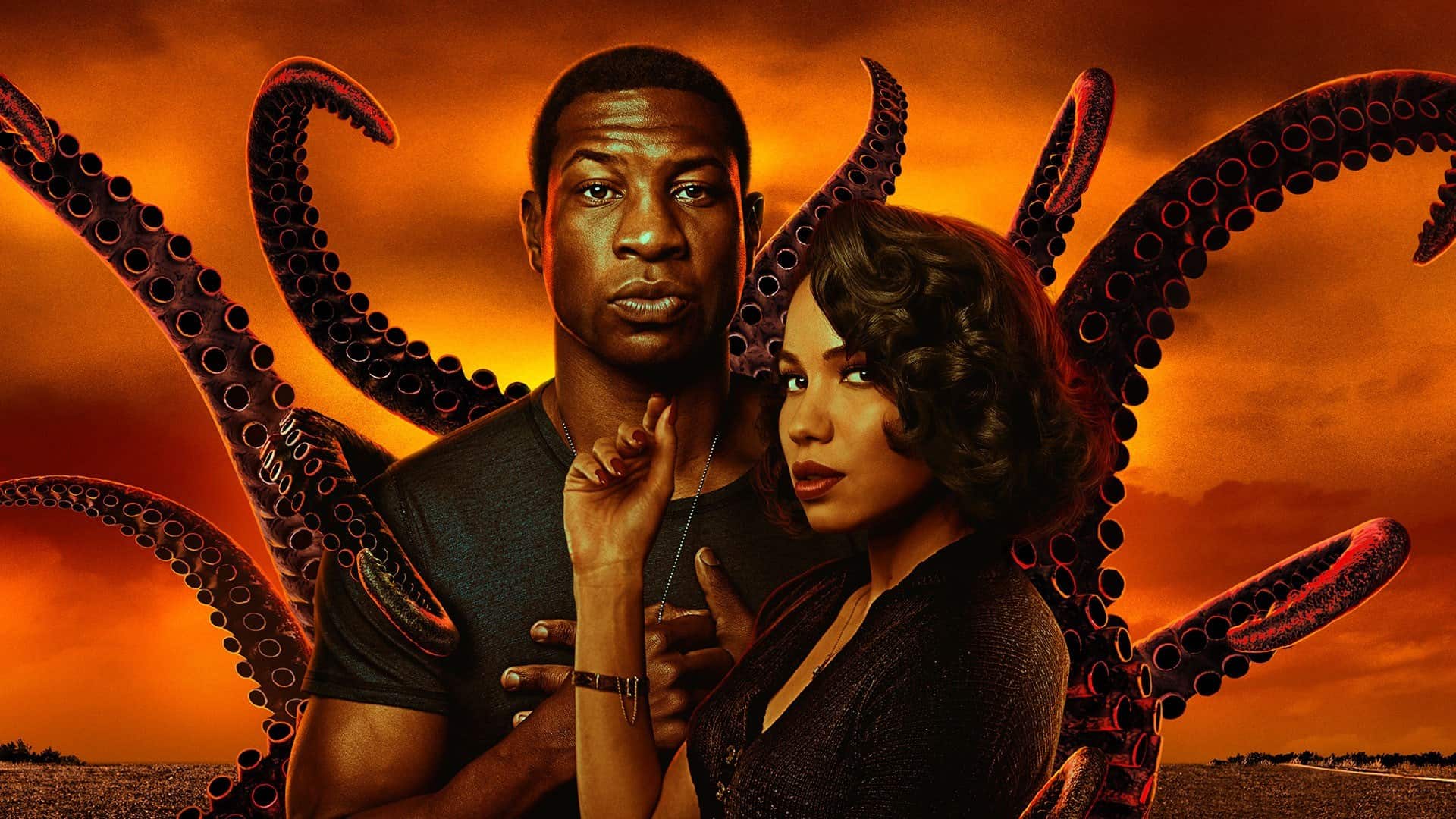
Consider Patricia’s Sunset Cocktails story – this is a key component, that the audience (and Patricia herself) does not realize what she has been doing the entire time until it is already done. The black book (obviously inspired by the Necronomicon, if it’s not actually the book itself) has terrifying implications. The crux of the genre, though, is exemplified in that episode; audiences are seeing things and not understanding what it is they are seeing, what has always been around them, until it is too late to do anything about it.
At the end of the season, what we have known for several episodes is confirmed. There is not only an eldritch god underneath the island that has been there all along, but it has awakened once again. It also seems like there are training videos from the 1960s down in the storm shelter that allude to the entire island’s population existing to be an offering to Cthulhu, and perhaps that the entire existence of Widow’s Bay as a town is to aid in quick appeasement of the god whenever it awakens.
There is still a lot of room for “elevated horror” movies like Obsession to blow out the box office, but I think one of the reasons Backrooms exploded and Exit 8 found modest success this year is that people are excited about unknowable horror. Audiences are thrilled by the idea of entities that are so complex we can’t even perceive their presence, like ants to humans, and especially places that are both alive and conspiring against us.
Historians and film buffs like to draw associations between what is popular in horror in any given era and what’s going on in the world. The Satanic Panic gave rise to demonic possession movies, the Nuclear Arms Race and Cold War inspired giant mutant creatures including Godzilla in the 50s, the Vietnam War led to a fear of shambling corpses, and the post-9/11 paranoia led to torture movies like Saw.
Right now, life is very scary for many people. Our institutions and social programs are being taken away, defunded, and turned against us. We are living in fear of what we do not know, with an unpredictable reactionist running the United States and undercover government-sanctioned mercenaries snatching people off the street. The terror is in realizing that our institutions were never actually secure, and that we have always been living in an extremely fragile society with no guarantee for human rights. Widow’s Bay is resonating with people because, in part, it taps into those fears. I charge big studios and filmmakers to now embrace cosmic horror: I doubt I’m the only one feeling that reality is unknowable right now.
 ObserverCrew Picks
 bserver
 bserver